
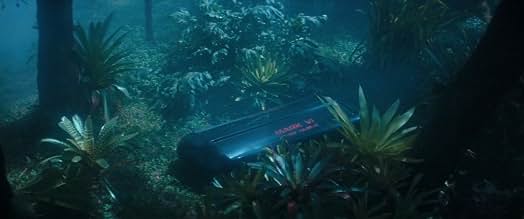
It is official, (whatever that means in an industry that treats sixty years of cultural memory like a line item to be depreciated): Star Trek is going dark. Star Trek: Strange New Worlds will end with a truncated six-episode fifth season. Star Trek: Starfleet Academy was canceled before its already-filmed second season even airs — killed roughly two weeks after its own season one finale, which is the kind of whiplash usually reserved for shows nobody watched, not the flagship of a franchise celebrating its sixtieth anniversary this year. For the first time since 2017, there is no new Star Trek television in production. Not one show. The sets have literally been struck and auctioned off.
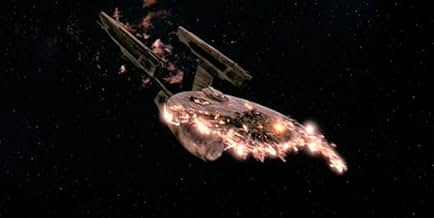
This is happening under the ownership of Paramount Skydance, now controlled by the Ellison family — David Ellison at the helm, his father Larry Ellison’s fortune behind it, and a well-documented friendliness toward the current conservative political order in Washington. It is tempting, and not entirely wrong, to read the death of Star Trek’s TV era as a straightforwardly political act: a progressive, humanist, utopian franchise getting quietly euthanized by ownership more comfortable with “peace through strength” than with the Prime Directive. But the truth, as it usually is with Star Trek, is more complicated than that. Star Trek has died and come back to life so many times that “dead” has almost stopped meaning anything. The real question isn’t whether this particular incarnation is over. It’s whether the thing Star Trek fundamentally is — an optimistic, progressive vision of humanity’s future — can still exist as popular entertainment made and distributed by people who don’t believe in it.
A Scrappy Show About Discovery
Star Trek began in 1966 as a low-budget, faintly ridiculous-looking show about a five-year mission to the frontier, airing during the exact years America was racing the Soviets to the Moon.
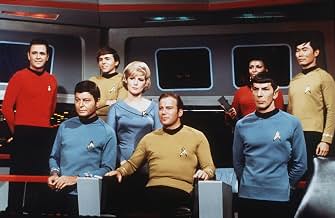
That context matters enormously. Star Trek wasn’t progressive because Gene Roddenberry was some pure visionary untouched by his moment — it was progressive for its moment, which is a different thing. It gave us a Black woman on the bridge and an interracial kiss, but it also gave us a crew that was explicitly military, a captain who solved problems by outfighting hostile aliens as often as he out-talked them, and a Federation whose confidence in its own values looked a lot like the confidence of a nation that had just spent two decades building an empire of air bases and client states and calling it the free world.
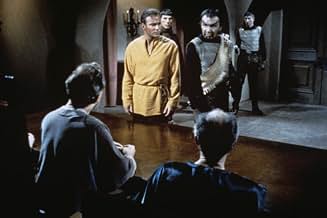
TOS’s philosophy was often, quite literally, peace through strength: the Enterprise carried phasers and photon torpedoes, and Kirk almost always won. It was a Cold War show about a crew of explorers who never doubted that their civilization was the correct one, even when it was busy interrogating what “correct” meant. The show was ahead of its time and a product of its time in the same breath, and you can’t understand what came after without holding both of those truths at once.
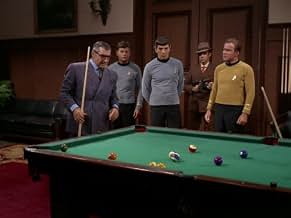
It was also canceled after three seasons, which should have been the end of it. Instead, something unusual happened: the audience refused to let it go. Fans organized the first real media conventions around it. They wrote and mimeographed and mailed each other zines — Trek was arguably the birthplace of modern fan fiction as an organized, self-sustaining culture, years before anyone had a word for “fandom” as an identity.

And in 1973, the show got an actual continuation: Star Trek: The Animated Series, using most of the original cast for voices, explicitly conceived as a continuation of the same missions. It’s rarely counted this way, but TAS was functionally seasons four and five of TOS — the same crew, the same ship, the same five-year mission, just rendered in Filmation cels because that was the format Paramount was willing to fund.
Fans kept the flame lit with paper and glue and imagination for the better part of a decade, and it worked.
From TV Show to Movie Franchise
What finally got Star Trek back into production wasn’t nostalgia. It was Star Wars. When George Lucas’s space opera became the biggest cultural event of 1977, Paramount — which had been dithering over a prospective Star Trek: Phase II TV revival — pivoted hard and turned it into a movie instead. Star Trek: The Motion Picture arrived in 1979, followed by a run of sequels through the eighties that included the franchise’s creative and commercial high point, The Wrath of Khan.
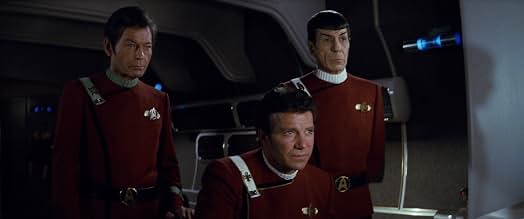
But something got lost in the format change, and it’s worth naming precisely what. A weekly television show can spend forty-five minutes on a first-contact scenario, a moral puzzle, an away-mission that resolves through conversation instead of violence. A two-hour theatrical film has to justify a ticket price, which means it needs stakes, spectacle, and a threat that can’t be talked down — it needs Khan, or the Klingons, or the destruction of a planet. Some of the TOS films are genuinely great movies. But they are movies about Star Trek characters more than they are Star Trek in its native form.
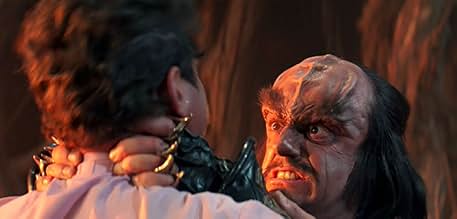
The exploratory, problem-solving, “what does it mean to be a person” texture of the show gave way to something closer to conventional action-adventure, because that’s what survives at the multiplex. It’s a tension the franchise has never fully solved, and it recurs every single time Trek moves to the big screen.
The Next Generation and the Weight of Its Own Shadow
Roddenberry got a second chance at television in 1987 with Star Trek: The Next Generation, and by most measures — critical, cultural, arguably even artistic — it eclipsed the original.
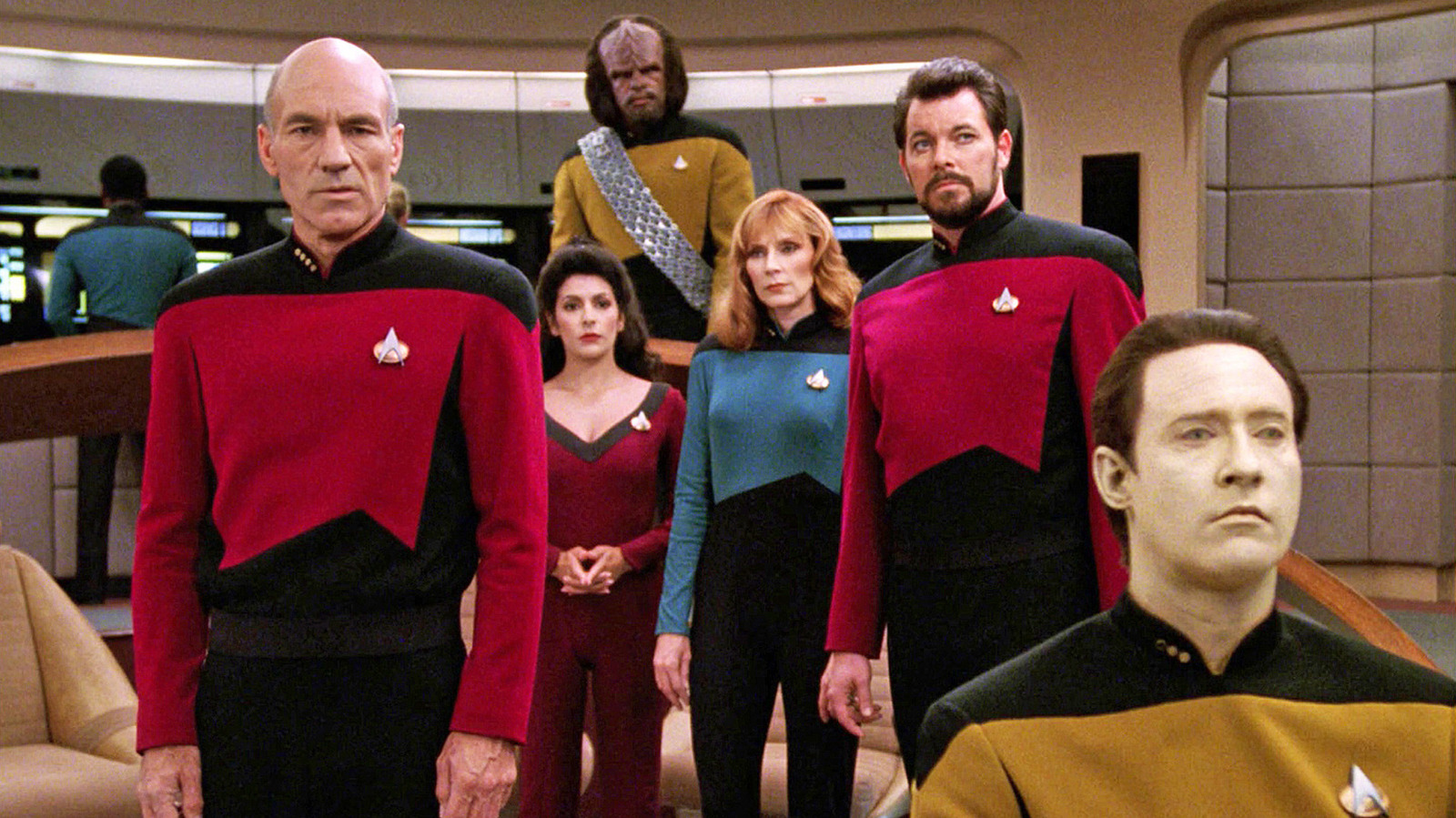
TNG is the show a huge number of people mean when they say “Star Trek.” It’s also, notably, more progressive than TOS, not less: Roddenberry in his sixties had shed a lot of the militarism of the sixties show, and the Enterprise-D is a ship of diplomats and scientists and families as much as it is a warship. Picard talks his way out of conflicts Kirk would have shot his way out of. It’s the show where the Prime Directive gets treated as sacred text rather than a plot obstacle. Many fans consider it, without much argument, the peak of the entire franchise.
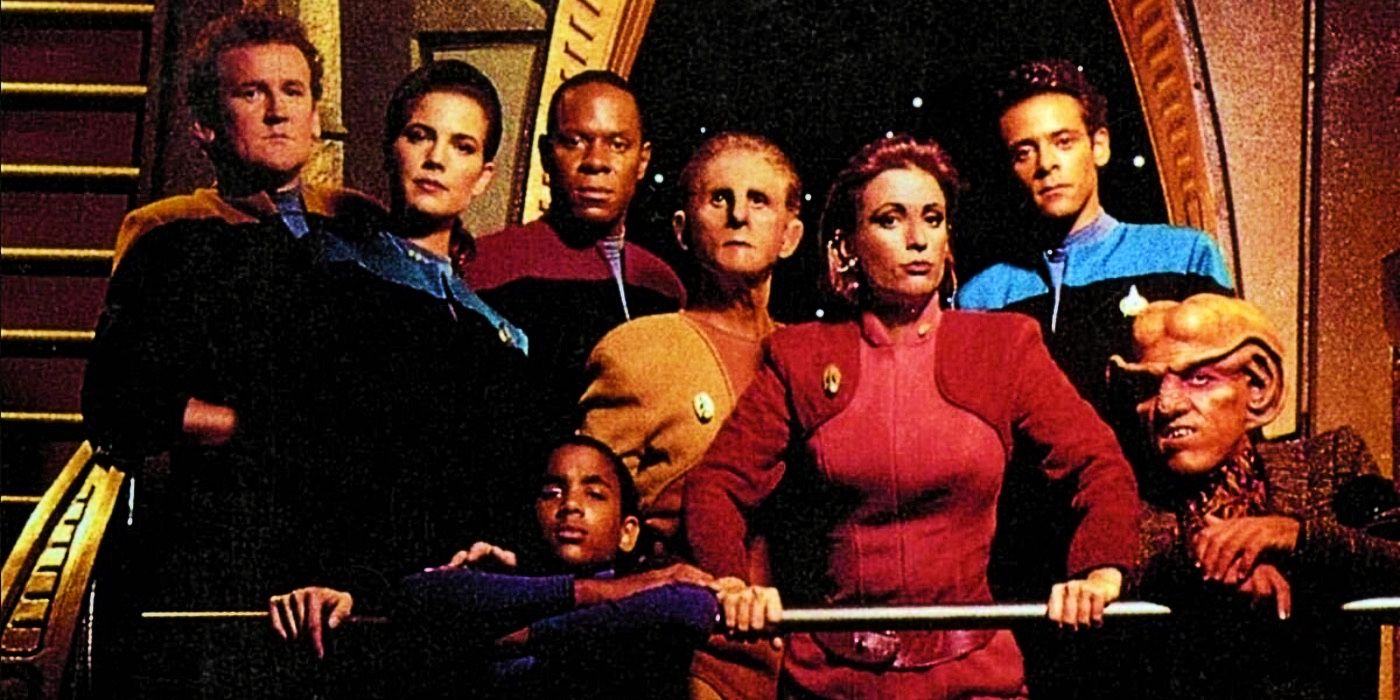
That peak became a problem. Every Star Trek show that came after TNG has had to work in its shadow, consciously or not, either trying to recapture its specific alchemy or straining visibly to prove it isn’t just doing that. Deep Space Nine, which many longtime fans and critics now regard as the single best Trek series ever made, only really found its footing once it stopped trying to be TNG on a space station and leaned into serialized war, occupation, religion, and moral compromise — the things a static, optimistic Enterprise crew couldn’t easily do.
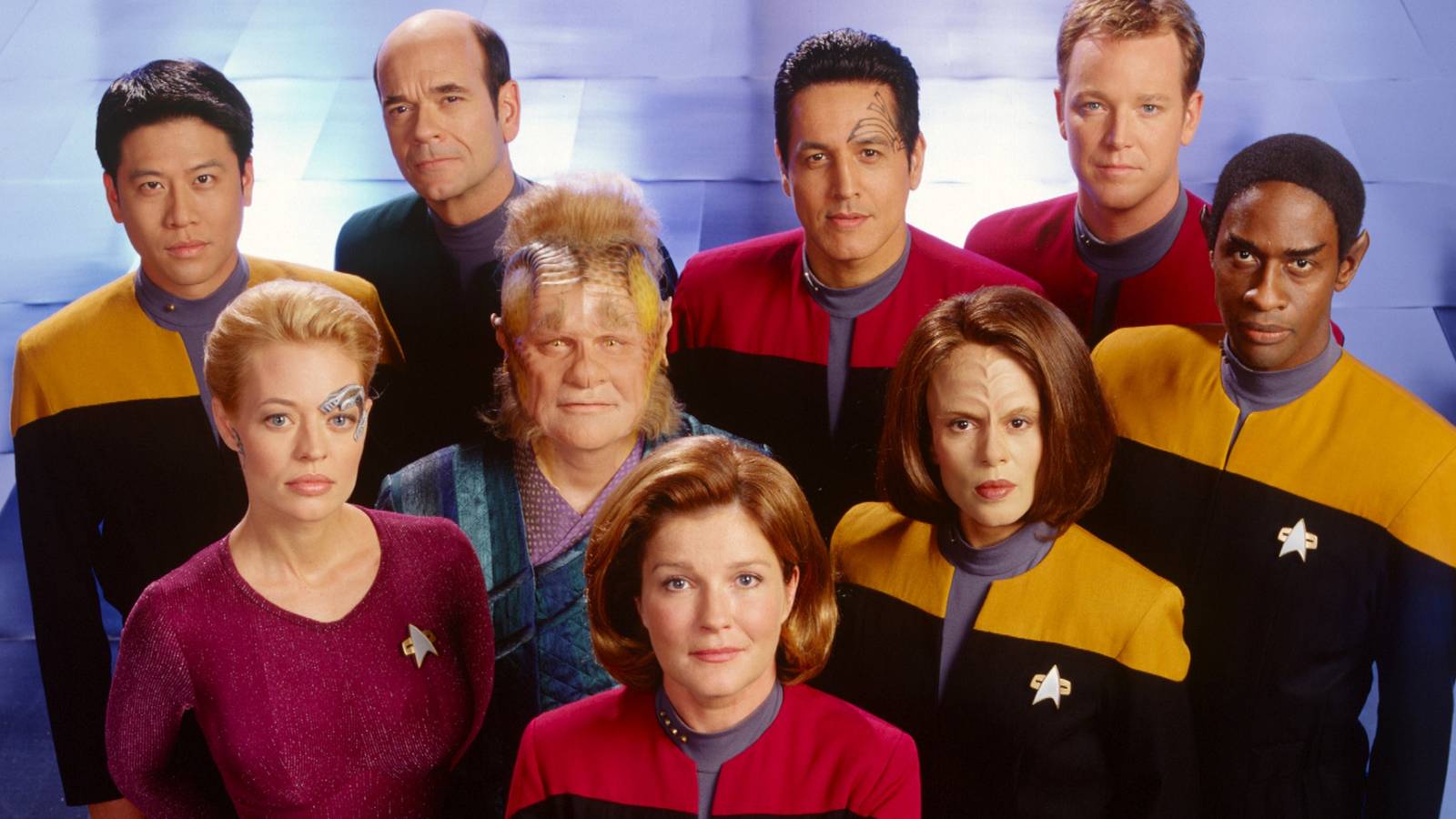
Voyager never quite escaped TNG’s gravity. And for a chunk of the nineties, Paramount ran two Star Trek shows simultaneously, then followed DS9 and Voyager’s tail end by launching Enterprise while Voyager was still airing — an overlap of new Trek content that, combined with four TNG-cast movies running in parallel, almost certainly produced real audience fatigue. There is only so much Star Trek a general audience will absorb in a given decade, and the franchise kept testing that ceiling.
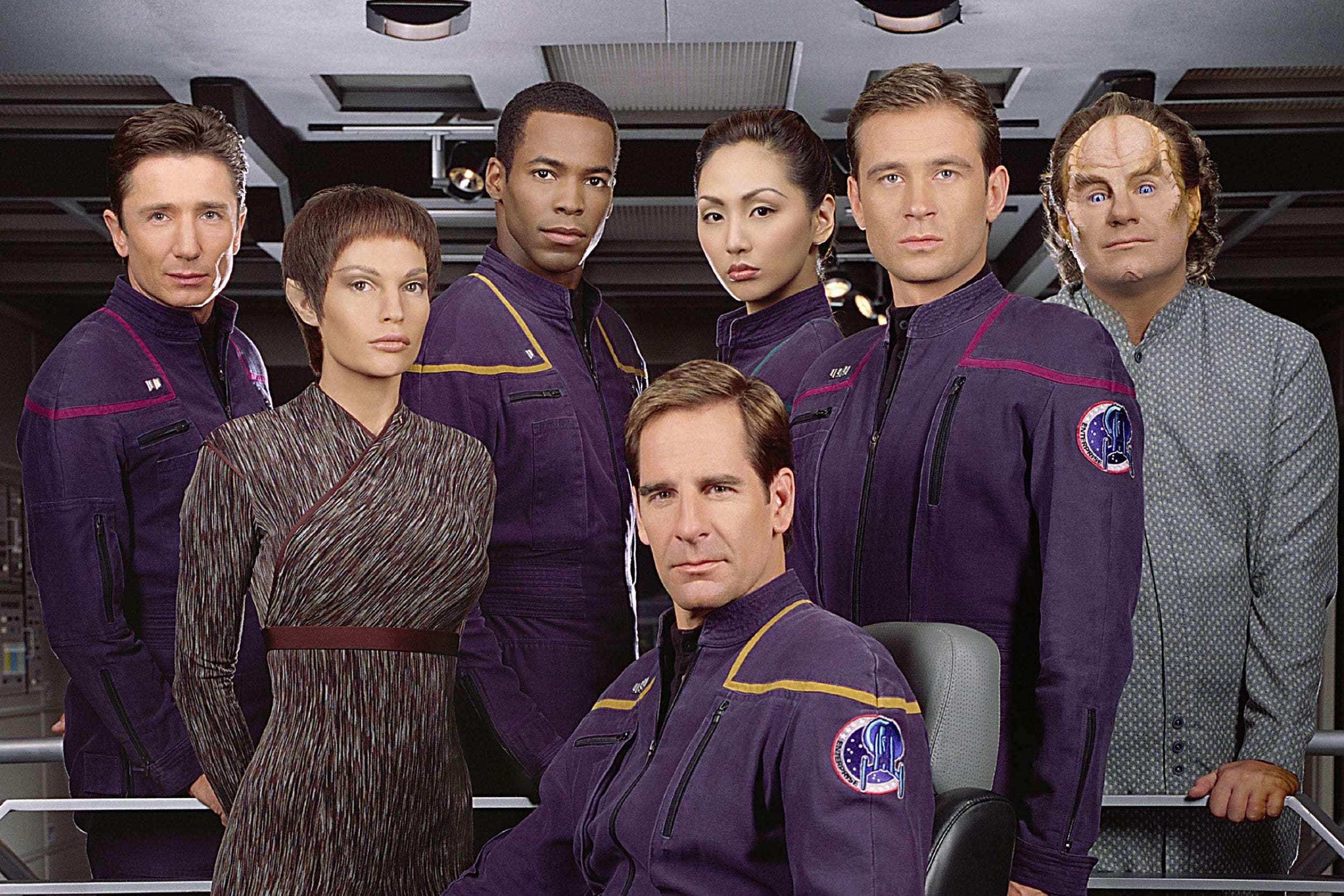
Enterprise got canceled after four seasons in 2005, and with it, Star Trek television went dark for over a decade — the longest hiatus in its history.
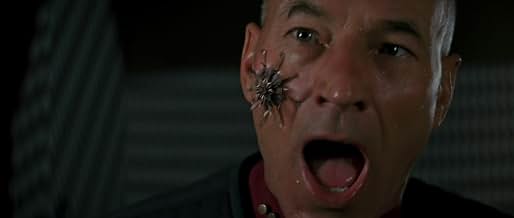
The TNG movies suffered the same structural problem as the TOS films, for the same reasons. First Contact is a genuinely excellent film — probably the best of the entire TNG-era movie run — but it’s excellent as a horror-tinged action movie with a Borg queen and a time-travel plot, not as an evocation of what made the show itself special. Even the good Trek movies tend to be good despite being movies, wrestling the format’s demand for spectacle into something that still feels recognizably like the franchise, rather than good because they capture what the show does on a weekly basis.
Reboot, Then Flood
Star Trek went quiet as a television property for twelve years. It came back to life first as a movie franchise again — J.J. Abrams’s 2009 Star Trek, a soft reboot into an alternate “Kelvin” timeline that let the franchise refresh its cast without erasing its continuity.
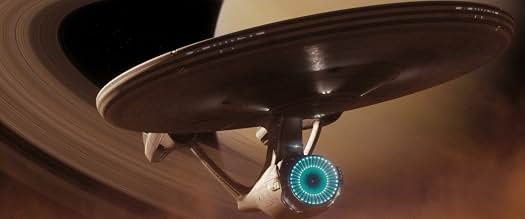
The Kelvin films are a case study in how volatile a rebooted franchise can be even under the same creative stewardship: the first film is genuinely terrific, a confident and fun reintroduction; Into Darkness is a mess, tangled up in fan-service Khan nostalgia it never earns; Beyond course-corrected into a pretty good, well-reviewed film that nonetheless underperformed at the box office. Three movies, three wildly different quality levels, and by the time the third one came and went without much cultural noise, the Kelvin films simply stopped happening. Nobody canceled them so much as they evaporated.
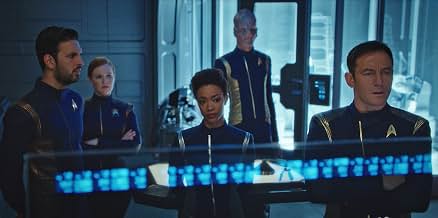
Television Trek came back in 2017 with Discovery, and what followed was the most Star Trek content produced in any comparable stretch of the franchise’s history: Discovery, Picard, Strange New Worlds, Lower Decks, Prodigy, Starfleet Academy — at points, several shows running at once again, echoing the overlap fatigue of the TNG era but multiplied. And this new era split its audience in a genuinely interesting way.
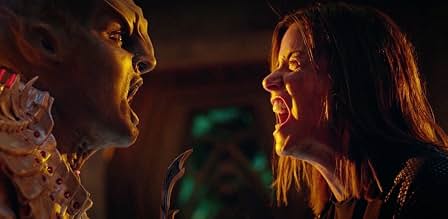
Part of it leaned into serialized, high-stakes, morally grayer storytelling — critics and longtime fans frequently reached for “grimdark” to describe Discovery and Picard, shows willing to let the Federation look compromised, to kill characters permanently, to trade in dread more than wonder.
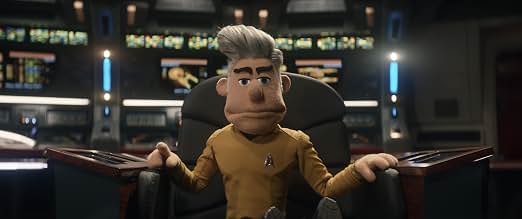
The other part of the new era swung hard the opposite direction, into broad comedy and outright silliness — Strange New Worlds did a full musical episode and, in the fourth season, a Muppets style episode.
Both impulses came from the same anxiety: how do you make Star Trek feel new when Next Generation already set the bar for “serious, optimistic Trek done well,” and forty years of continuity make every corner of the universe feel already-visited? One era’s answer was to go darker than the franchise had ever gone. The other era’s answer was to stop taking itself seriously at all. Neither fully worked as a long-term strategy, and it’s telling that the two shows most fans and critics single out as the actual creative triumphs of this whole era were the two animated ones.
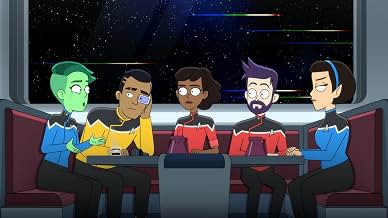
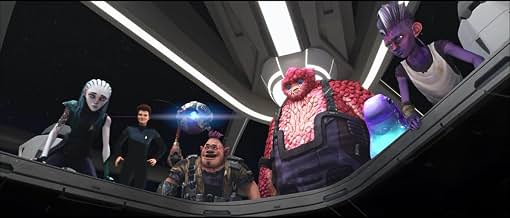
Lower Decks and Prodigy didn’t need to be dark or need to be jokes-only; they used the format’s low stakes and different medium to genuinely reinvent what a Star Trek story could look like, made by people who clearly loved the franchise’s history without being trapped by it.
By 2026, the “new Trek” era had produced so much content, across so many shows, in so many timelines and eras and tones, that the sheer mythos of the thing — sixty years of canon, prequels bumping into originals, alternate universes bumping into main ones — had become its own kind of exhausting. A franchise this large starts to collapse under nothing but its own accumulated weight, even before a single studio executive decides to stop funding it.
Can Star Trek Survive Its Owners?
Which brings us back to the Ellisons, and to the actual, uncomfortable question sitting underneath all the trade-press postmortems: can Star Trek exist, in any coherent form, as television made by a media company whose ownership is ideologically aligned with the political movement Star Trek has spent sixty years arguing against?
Star Trek’s core premise — that humanity outgrows scarcity, tribalism, and nationalism, that difference gets approached through curiosity rather than fear, that institutions can be trusted to act in good faith — is not a neutral premise. It is a progressive, liberal-humanist premise, articulated at different volumes across sixty years, sometimes compromised by the anxieties of its era (TOS’s Cold War instincts), sometimes fully embraced (TNG’s diplomat-Enterprise), but never actually abandoned until, perhaps, right now. A studio run by people openly sympathetic to a political moment built on hierarchy, strength, and suspicion of institutions is not an obviously hospitable home for that premise.
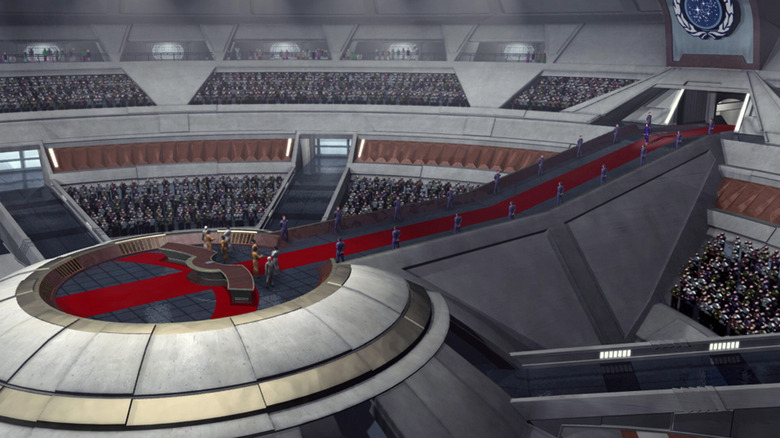
It doesn’t take a conspiracy theory to notice that the shows most committed to Star Trek’s founding optimism are the ones getting the shortest final seasons, while the studio’s stated priority going forward is theatrical movies — the format that, as this whole history shows, has never once managed to replicate what made the television show matter in the first place.
Or maybe that’s too tidy a story, and the real answer is sadder and more structural: that streaming economics killed a dozen other expensive legacy franchises this same year for reasons that have nothing to do with ideology, and Star Trek just happened to be caught in the same undertow as everything else. Both things can be true. Ownership’s politics don’t have to be the sole cause of cancellation to still shape what gets greenlit next, what tone the inevitable relaunch takes, and whether a “new Star Trek” made under this regime would even resemble the thing longtime fans recognize.
Here’s the harder question, though, and it’s the one worth sitting with after the trade headlines fade: even setting Paramount’s ownership aside entirely, does Star Trek’s fundamental proposition still have something to say to us? Shows like the new Blade Runner and Alien series have found real critical and cultural traction lately by doing something almost opposite to Trek — leaning into corporate dystopia, class exploitation, bodies as commodities, institutions as inherently untrustworthy. That’s a vision of the future that feels legible to a lot of people right now in a way a crew of idealists calmly exploring the galaxy might not. Is Star Trek’s optimism a genuine alternative to that pessimism, a vision worth fighting to keep making — or has it curdled into something closer to nostalgia, a comfort-watch about a future nobody currently believes is coming?
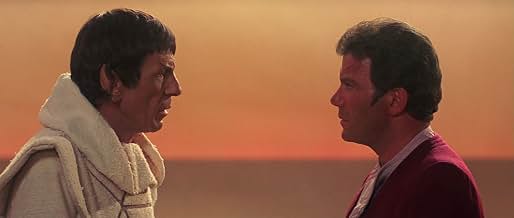
I don’t think Star Trek is dead, exactly. It’s died this particular way before — TOS canceled and kept alive by fans and cheap animation, Enterprise canceled and revived a decade later by a movie reboot — and it has always found its way back, usually through the stubbornness of an audience that refuses to let the idea go.
But an idea needs somewhere to live, and for the first time in a very long while, it’s genuinely unclear whether the people who currently own Star Trek actually want to keep believing in it.
All images ©Paramount Global
 Welcome To My Ego
Leave a comment