
By Steve
Have you heard this story before?
A man meets a troubled woman and falls in love with her. After fate separates them, and he can no longer be with her, he finds another woman to recreate that relationship. But the new woman is more worldly than he is, and reveals to him the truth of his previous relationship.
If you said VERTIGO, nice job!
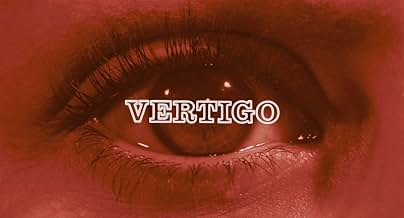
But if you said YOU CAN SEE EVERYTHING …
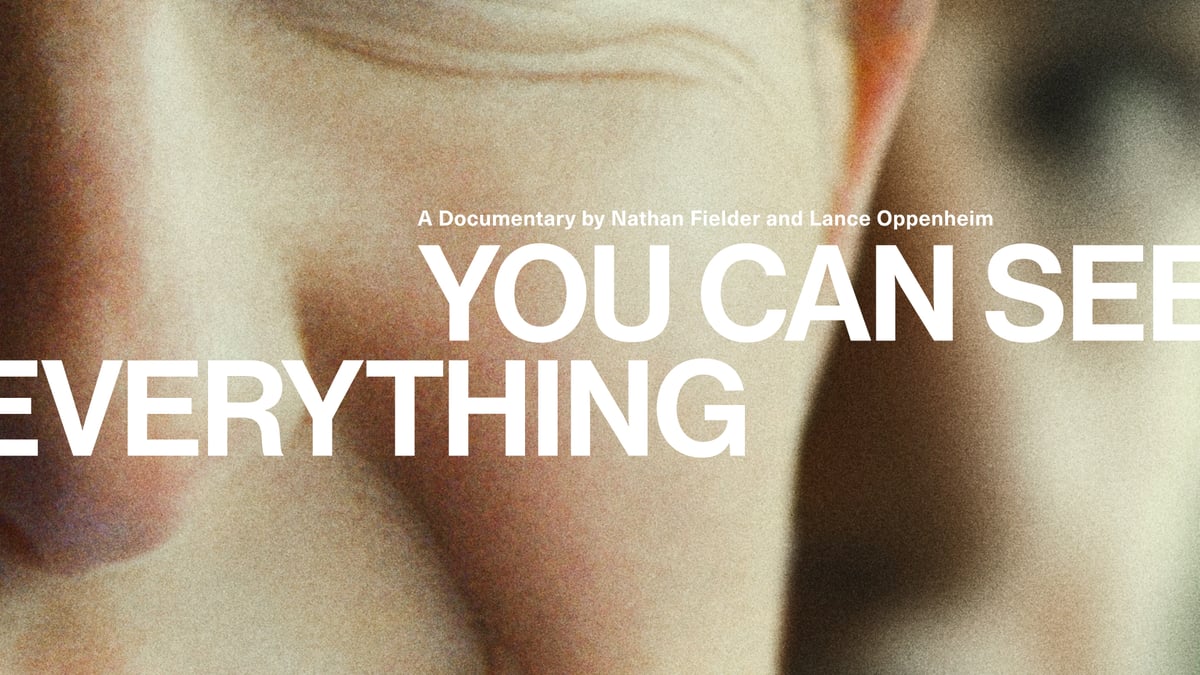
Spoilers ahead for both. Hitchcock’s film has had sixty-eight years to be spoiled. Nathan Fielder and Lance Oppenheim’s is brand new, so consider yourself warned.
Hired to Watch
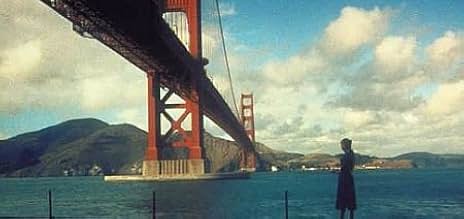
VERTIGO begins as a job. Scottie Ferguson, a retired San Francisco detective with a newly crippling fear of heights, is approached by an old college acquaintance, Gavin Elster, who wants him to follow his wife, Madeleine. She is, Elster says, possessed by the memory of a dead ancestor, Carlotta Valdes, and may be suicidal. So Scottie follows her: through a flower shop, a cemetery, a museum, and out to the water under the Golden Gate Bridge. Hitchcock stages the first sight of her at Ernie’s restaurant, in profile, and lets Scottie’s gaze become the camera’s. By the time Scottie pulls her out of the bay, the surveillance has become a love story. He fell for her by looking.
YOU CAN SEE EVERYTHING begins as a job, too. Fielder is invited into a rented beachfront house in Del Mar, California, where Elizabeth Holmes, her partner Billy Evans, and their two young children are spending the last 34 days before she reports to federal prison to serve an 11-year sentence for the Theranos fraud. The pitch, as the title says, is total access. Fielder moves in, watches, and asks the blunt questions that more polite filmmakers would tiptoe around. One critic compared his stare from the shadows to a vampire’s. Another noted that he plays the neutral fly on the wall while peppering his hosts with invasive questions.
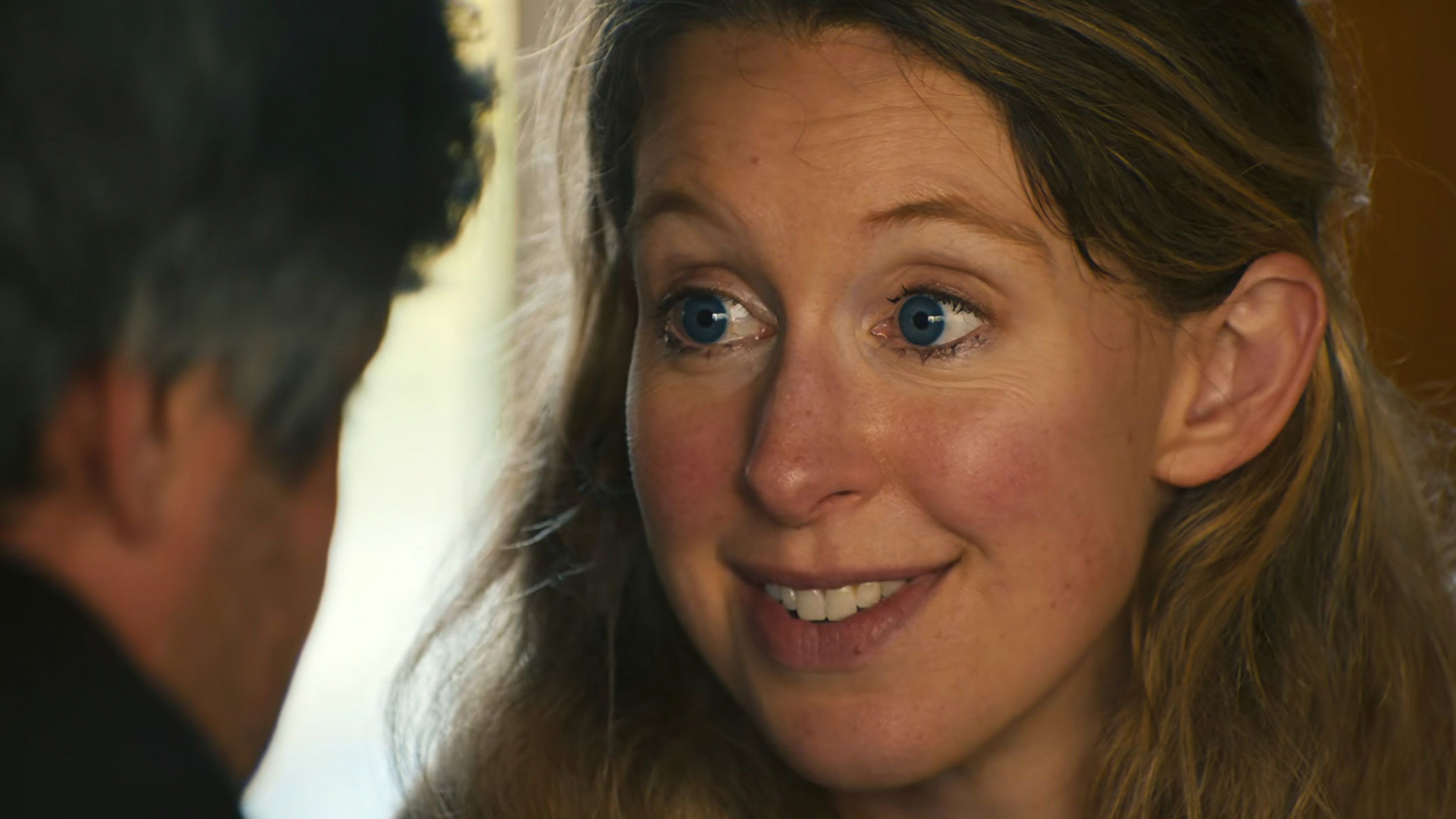
Both men are professional observers, and both are supposed to be immune. A detective is trained to stay detached; a documentarian is supposed to be objective. Both discover that watching someone is not a neutral act. Fielder, one reviewer points out, knows that anything like a friendship with Holmes could compromise the entire project. That is exactly Scottie’s problem, except that Scottie doesn’t see it coming.
A Woman Who Is a Performance
Madeleine doesn’t exist. The woman Scottie loves, with the gray suit, the swirl of pinned-up hair, and the haunted stare at Carlotta’s portrait, is a role. Elster scripted it, and a shopgirl from Kansas named Judy Barton played it. The cruelest irony of the film is that Scottie falls in love with the costume, and when he finally meets the actual woman underneath, he can’t stand her.
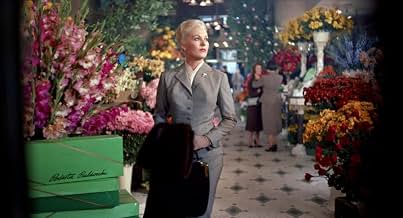
Elizabeth Holmes is a woman who also became a costume, and a spectacularly effective one. The black turtlenecks borrowed from Steve Jobs, the famously lowered voice that former colleagues said was put on, the unblinking gaze: that was the character who convinced investors, politicians, and a roomful of famous board members that her company was worth around nine billion dollars. The question Fielder keeps circling, as Variety’s critic put it, isn’t whether Holmes is guilty. It’s what goes on inside a person like her.

That makes Fielder a man looking for Judy under Madeleine. And here the two stories split in an interesting way. Hitchcock lets us know there is a real woman under the mask, and the tragedy is that Scottie only wants the mask. Fielder can’t even confirm there’s a Judy. At times Holmes seems startlingly genuine, and Fielder says so on camera. Whether the genuineness is the real thing or the best layer of the act is the movie’s central unanswerable question.
The Tower
Both stories break at the same place: a woman goes somewhere the man cannot follow.
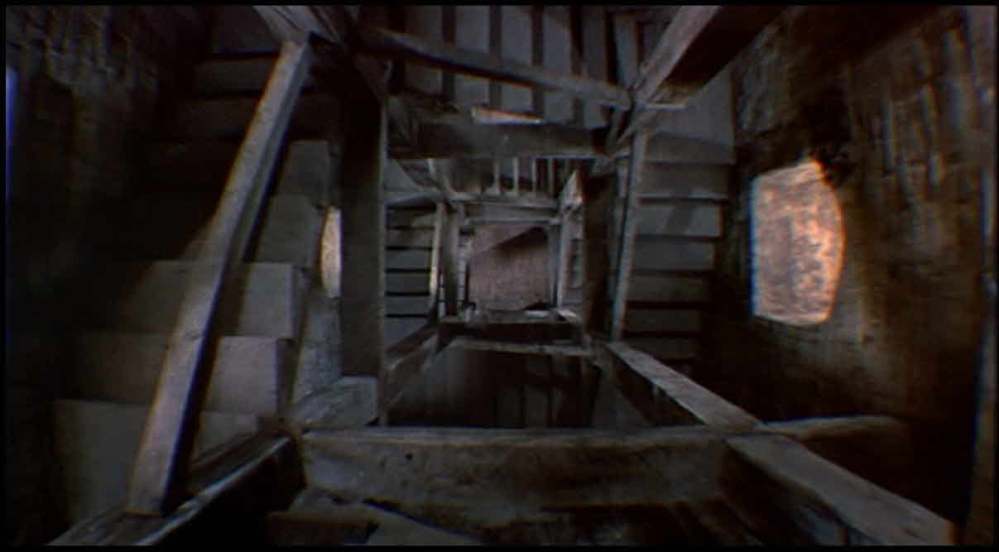
In VERTIGO it’s the bell tower of Mission San Juan Bautista. Madeleine runs up the stairs; Scottie, frozen by acrophobia and dizzied by Hitchcock’s famous dolly-zoom shot of the stairwell dropping away, can only stop on the landing. Then a body falls past the window. (The tower, fittingly, is a fake. The real mission’s bell tower had been torn down years before, so Hitchcock built one in the studio and matted it into the landscape.)
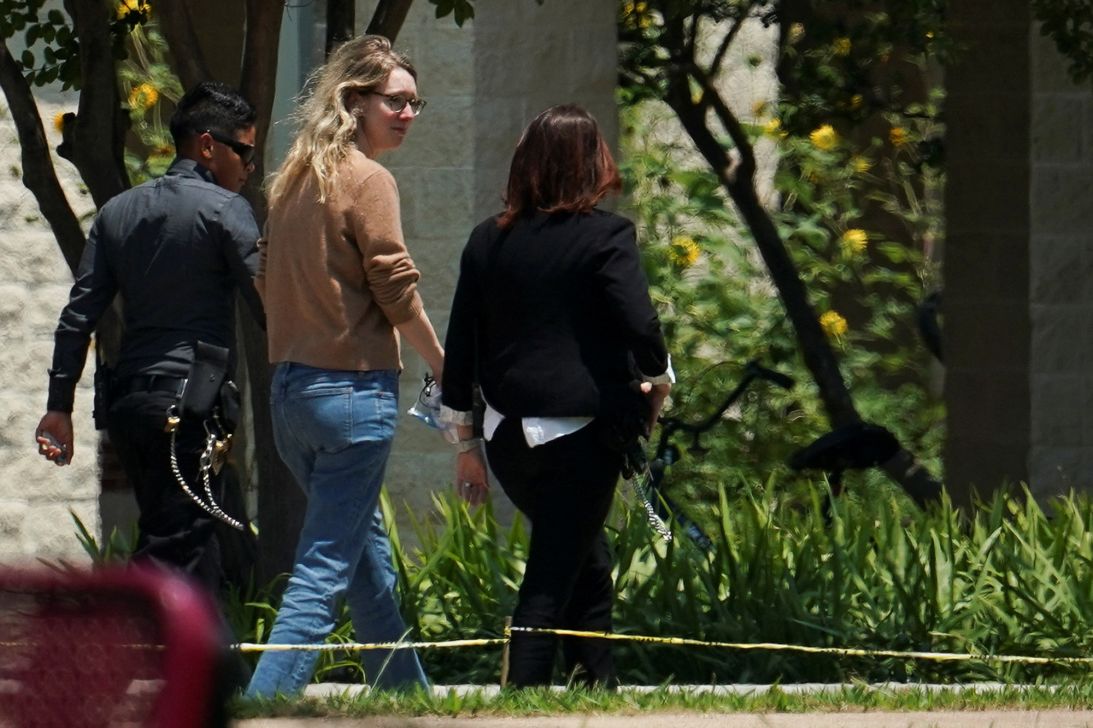
In Fielder’s film it’s a prison gate in Texas. The first ninety minutes of a 174-minute film are the countdown to Holmes going inside, and then access ends. We see Fielder sitting in a car, watching her being walked in, with no way to follow. Cameras and recordings are banned. The man who was promised he could see everything is now at the bottom of the stairs.
What happens next is the same in both films. The man doesn’t let go.
The Remake
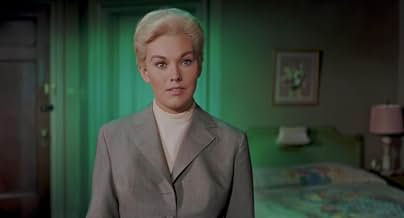
Scottie sees Judy on the street, a brassy brunette who happens to resemble the woman he lost, and he does what no sane person does. He takes her shopping. At Ransohoff’s department store he buys her the gray suit and the shoes. He insists she dye her hair blonde. She resists the last detail, the pinned-up twist of hair, and then gives in. When she steps out of the bathroom of her hotel room, bathed in the green glow of a neon sign, Hitchcock films it as a resurrection and we feel it as a horror. Scottie isn’t getting to know a woman. He’s rehearsing a loss.
Fielder, left without his subject, does what Fielder does. The man who built an entire series around rehearsal, staging and re-staging real-life confrontations until he can control the outcome, recruits an actor. And not just any actor. He tracks down Amanda Seyfried, who won an Emmy for playing Holmes in THE DROPOUT. He sits her down with the footage, and soon she’s doing reenactments of conversations the cameras couldn’t capture: a tense negotiation with Evans over the film’s profits, a phone call with Holmes in prison that Evans asked him not to record, a visit to the Texas facility. Variety’s critic had the right question: who better to read the transcripts? In Hitchcock’s film a man remakes a woman into the lost woman. In Fielder’s, a documentarian hires a woman who has already been remade into the lost woman, once, by Hulu, and has the Emmy to prove it.

Seyfried is Judy twice over. At one point she tells Fielder she’ll reenact whatever he wants, and he gently reminds her that she is not Holmes. Her reply is the film’s best line about the whole enterprise: “Guess how many people believed I was her when I played her?” The answer, delivered with a smile, is a lot.
The Necklace
In VERTIGO, the woman Scottie rebuilt is the one who gives him the truth. Judy, getting ready for dinner, puts on a necklace: Carlotta’s necklace, the one from the portrait, the one Madeleine wore. Scottie sees it and everything clicks. The shopgirl was Madeleine all along. And, crucially, she was the one who knew. In a sense, Judy is the more worldly of the two. She’s been holding the truth the entire time while he’s been courting a ghost.
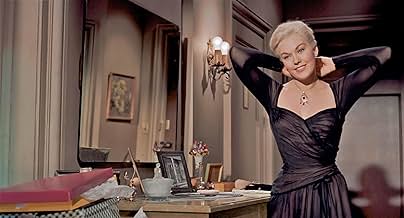
Seyfried is the necklace in Fielder’s film. She hasn’t betrayed him; she’s simply watching more clearly than he is. As the second half unfolds she pushes back on the script he’s prepared, bristles at Holmes’s criticisms of her work in THE DROPOUT, and eventually asks him the question that the whole film has been avoiding: whether he’s been softening Holmes in the reenactments because he has come to care about her. Then she says it plainly, that he cares about her. Fielder, who has put a blunt question to everyone, has nothing to say.
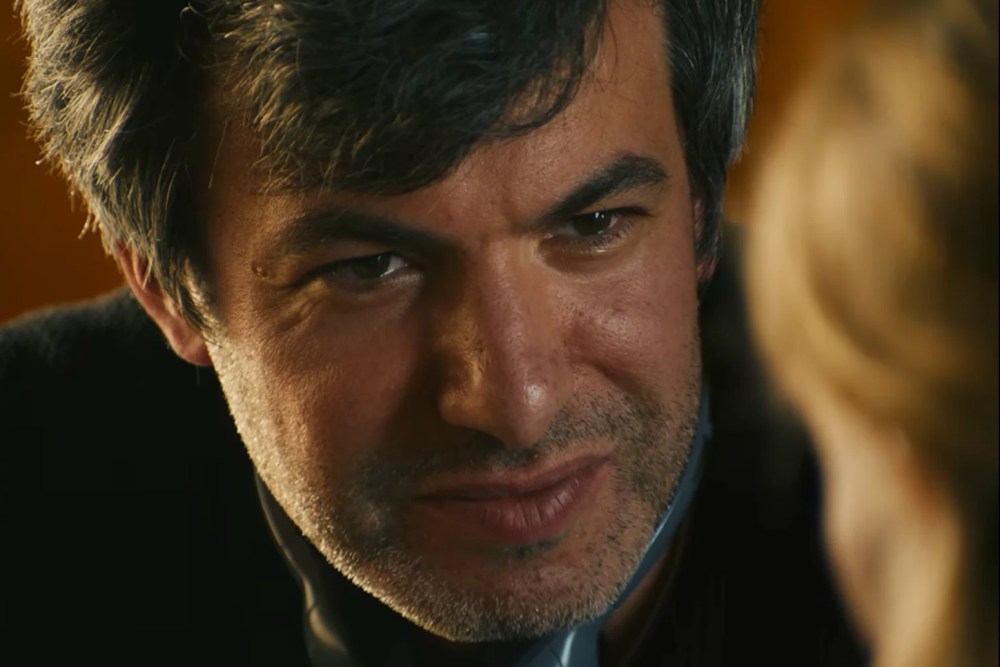
That’s the “truth of his previous relationship” that the stand-in reveals. It’s not a fact about the dead woman or the imprisoned one. It’s a fact about the man. Scottie finds out he was never the detective in this story. Fielder finds out he may have been a good deal closer to Holmes than any documentarian should be. Both are told, by the person who stands in for the woman they lost, what they could not see while they were looking.
Who’s the Mark?
The cleverest idea in Vertigo is that Scottie was chosen. Elster didn’t need a good detective; he needed a witness whose fear of heights guaranteed he’d never get to the top of the tower in time to see what really happened. The man who did the looking was the instrument.
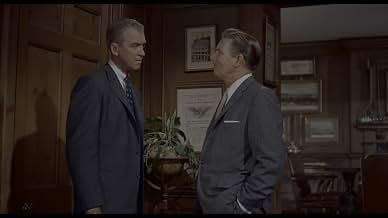
Fielder’s film asks whether the same thing happened to him, and it declines to answer. Evans, we learn, negotiated a stake in the film’s profits with the filmmakers and A24 while Holmes was out of the room, and Fielder and Seyfried go to confront him about it. He also controls Holmes’s online accounts and holds power of attorney over her. Holmes, in the prison scene, plays it sunny, trusting Evans to decide how her image is used. Days after Fielder’s visit, Evans gives up his claim on the profits. Whose decision was that? Did Holmes know all along? Is she being used by Evans, or is she using Evans, or is she using Fielder? Is the film an exposé, or the first act of an Elizabeth Holmes comeback, as the San Francisco Chronicle’s critic suggests? NPR’s reviewer, for what it’s worth, thinks the film stacks the deck by setting aside evidence that would complicate its portrait of her.

VERTIGO gives us a villain to hate. YOU CAN SEE EVERYTHING gives us a hall of mirrors in which Holmes, Evans, Fielder, and even Seyfried could each be Elster, Madeleine, or Scottie, depending on the angle.
Hitchcock Shows His Hand
Here is where the films really diverge, and it may be the most interesting thing about them.
Hitchcock tells us the secret. About two-thirds of the way through Vertigo, Judy flashes back to the murder plot and the film lays out everything Scottie doesn’t know. It was a famously risky choice, and it’s the choice of a director who preferred suspense to surprise. We’re not trapped in Scottie’s ignorance. We’re sitting above it, watching a man walk toward a truth we already know, and the dread comes from the distance between his knowledge and ours.
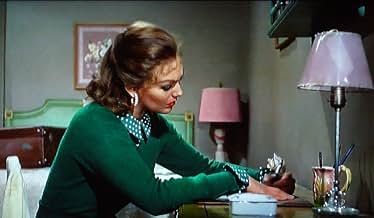
Fielder gives us no such flashback. Nobody tells us. As the movie winds down, neither Fielder nor Seyfried can decide what Holmes knew about the profits deal or when she knew it. We aren’t watching Scottie; we’re standing next to him, equally blind. Hitchcock gives us the privilege of dramatic irony. Fielder takes it away.
Cured and Destroyed
Vertigo ends on the ledge. Scottie has dragged Judy back up the tower to confront her; a nun appears in the shadows, Judy steps back, and she falls. Scottie is cured of his acrophobia and utterly destroyed. He can finally stand at the edge. There’s nothing left to look at.
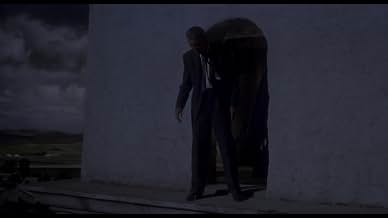
Fielder’s film closes at a distance as well. The closing images keep us on the outside, looking through a long lens as Holmes sits in the prison’s visitation area with Evans and their children, and a title card tells us Evans later declined the profits. It’s an ending that denies the satisfaction of a verdict. Fielder has been told the truth about himself and has no idea what to do with it, and the film leaves him there.

The moral math of the two endings is worth sitting with. Judy has no power in her story. She’s hired, dressed, used, and punished, and Hitchcock asks us to mourn her even though she helped cover up a murder. Holmes is the opposite: a woman who built a company, and a legend, on an image that wasn’t true. And yet Fielder’s film manages the same trick as Hitchcock’s. One reviewer noted that it makes us, if not sympathetic, at least conscious of our concern for her. By the end, we are all Scottie, a little ashamed of what we feel for the woman in the picture.
The Last Word on Looking
Have you heard this story before?
You have. Hitchcock told it in 1958, with a detective, a dead woman who wasn’t, and the discovery that looking at someone is not the same as knowing them. Fielder is telling it again, sixty-eight years later, with a documentary crew, an Emmy winner, and a prison fence.
The title promises we can see everything. In the last act of VERTIGO, Scottie finally does see everything, and look what it costs him.


Leave a Reply