
Every generation gets the Superman it deserves — or maybe the Superman it’s afraid of, or the one it wishes it could still believe in.
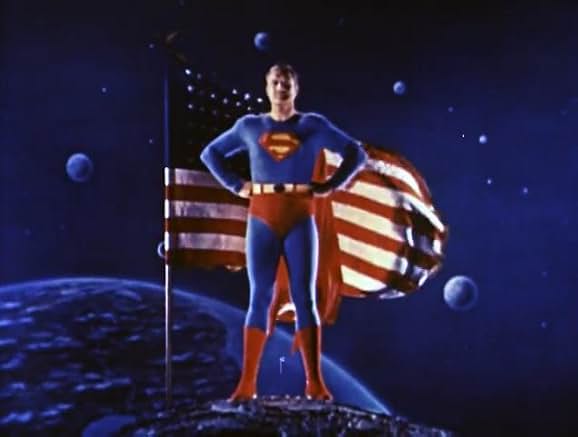
Over nearly five decades of film, the character has swung from a golden-age boy scout to a brooding demigod to something closer to an earnest, slightly dorky idealist trying to survive the discourse. You can track that whole arc through a single relationship: Clark Kent and his adoptive father, Jonathan.
Jonathan Kent is an interesting character. He’s rarely on screen for long, and in two out of three of the films we’re discussing here, he’s dead before the second act really gets going. And yet how a filmmaker chooses to use him — what he says, how he dies (or whether he dies at all), and what lesson his adoptive son takes from him — ends up being one of the clearest windows into that filmmaker’s own view of power, goodness, and what a person owes the world.
What we get are three films, three fathers, and three very different philosophies of what it means to be super.
Part One: Superman: The Movie (1978) — Death as Humility
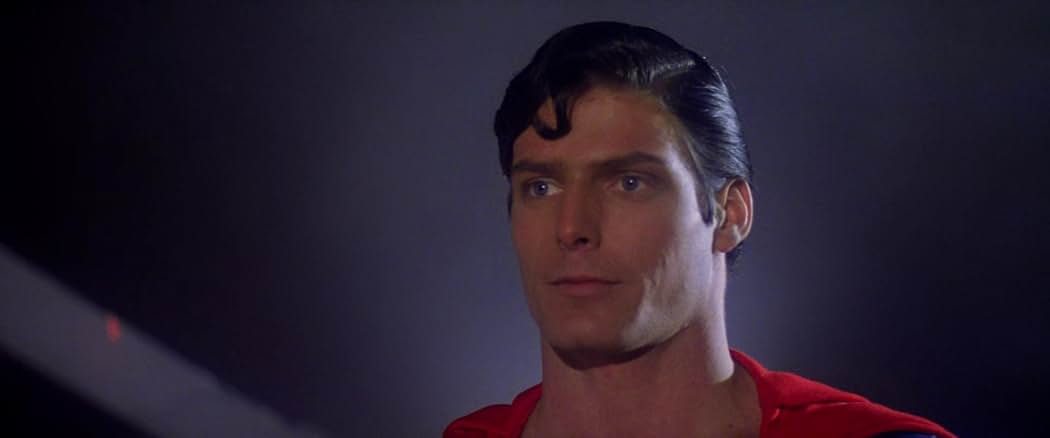
Richard Donner’s Superman is, at its core, a film about wonder. Its famous tagline — “you’ll believe a man can fly” — wasn’t just a marketing line, it was the movie’s entire thesis. This is a Superman who can do almost anything, and the film wants you to feel the awe of that.
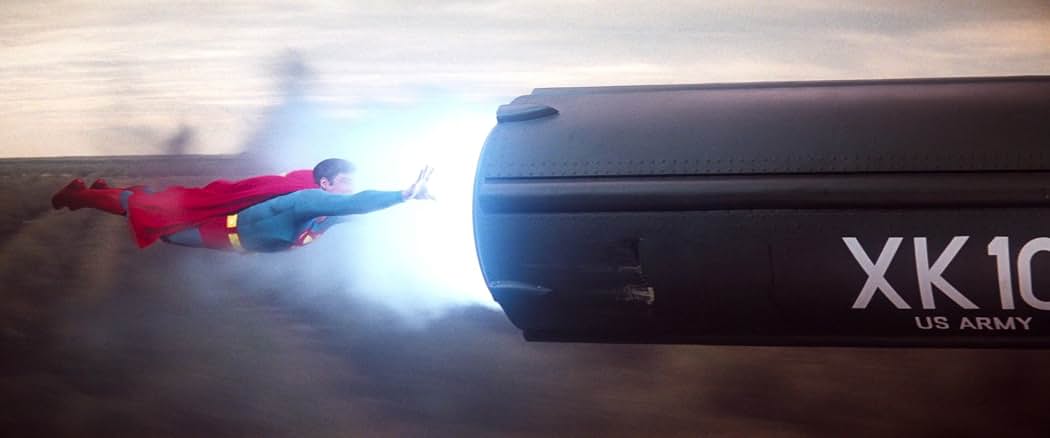
Which is exactly why Jonathan Kent’s death matters so much. Partway through Clark’s teenage years, in the middle of an ordinary afternoon, Jonathan collapses from a heart attack. Clark — already fast enough to win a footrace against a train, already strong enough to lift a car — cannot save him. His adoptive father dies of nothing more dramatic than a bad heart, the most human death there is.

This is a deliberate, almost theological choice. Donner isn’t interested in giving young Clark a villain to blame or a lesson about secrecy. He’s teaching him — and us — a much older lesson: that even a demigod is bound by limits. Superman will spend the rest of his life saving people, but the film wants us to understand from the very beginning that he cannot save everyone, and that this isn’t a failure of the character, it’s simply the human condition.
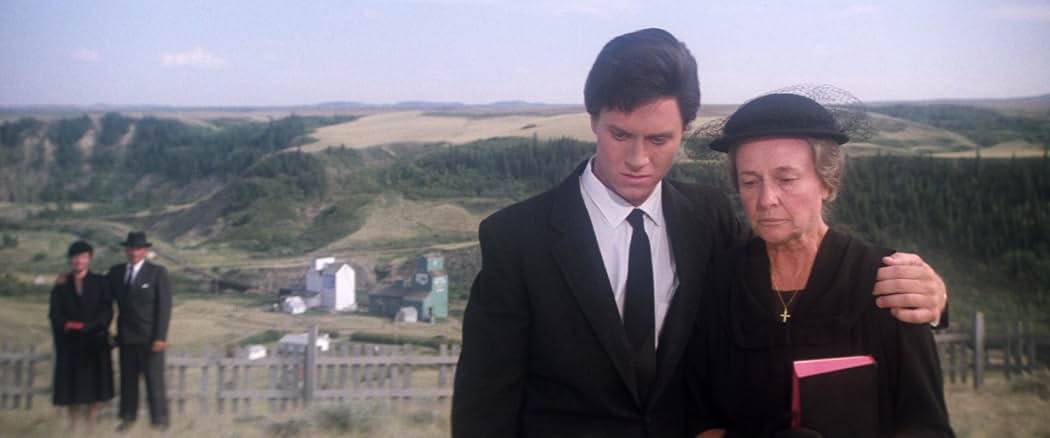
It’s a classical, almost Greek idea — the hero has power, but power is not the same as dominion over death. Jonathan’s death is humbling rather than radicalizing. It doesn’t make Clark angry or secretive. If anything, it’s what makes him gentle. He grows up to be a Superman defined by warmth, optimism, and an almost naive faith in doing good in the open, precisely because his father’s death taught him humility rather than fear.
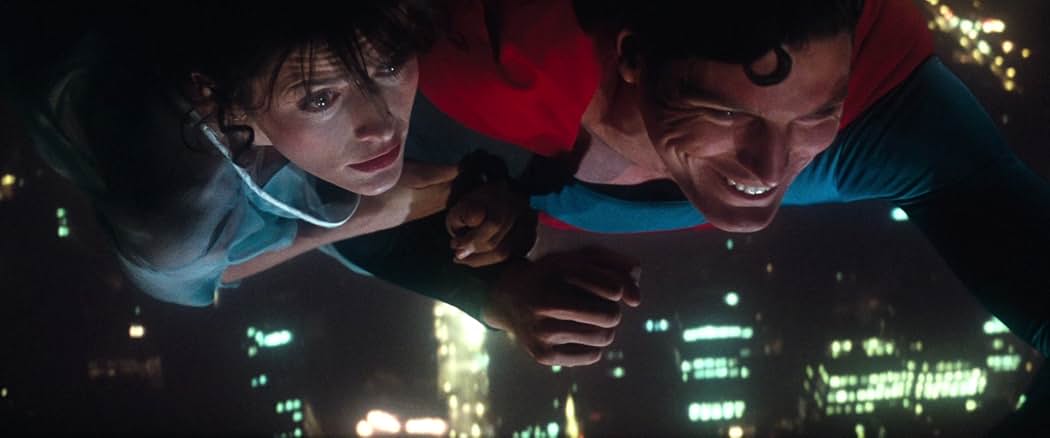
Part Two: Man of Steel (2013) — Death as Ideology
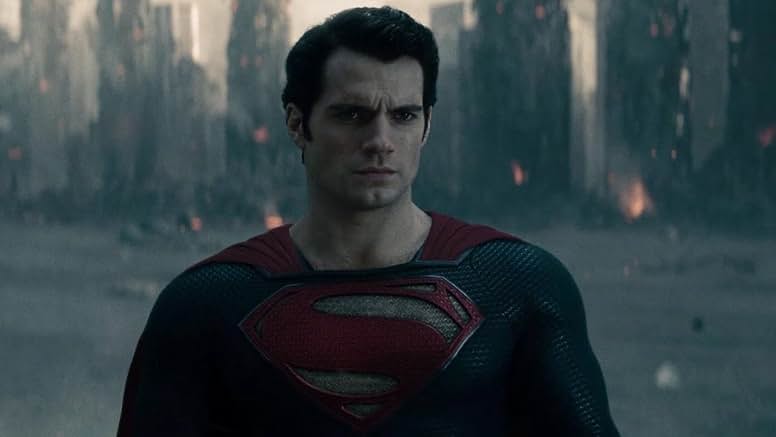
Zack Snyder’s Man of Steel tells a very different story, and it announces its philosophy almost immediately, in the most infamous scene of Jonathan Kent’s entire cinematic history: the tornado.
In a previous scene, a school bus full of teenagers — Clark’s own classmates — is sinking. Clark, with his Kryptonian powers, is able to save every one of them, almost without effort. Jonathan Kent — played by Kevin Costner as a man clearly wrestling with his own advice even as he gives it — tells him that he was careless to do so.
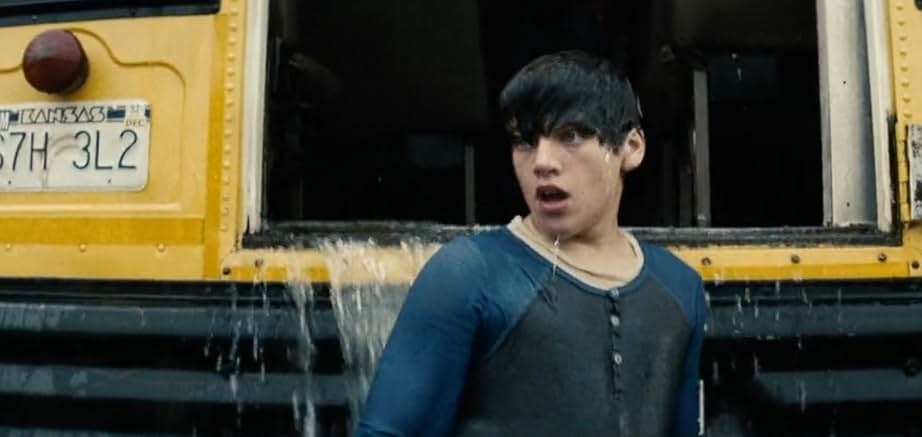
He suggests, chillingly, that maybe Clark should have let his classmates drown rather than risk revealing his otherworldly origins. Later, in the film’s central set-piece, Jonathan dies in a tornado, refusing his son’s attempt to save him — not out of any practical necessity, but seemingly to prove the point.
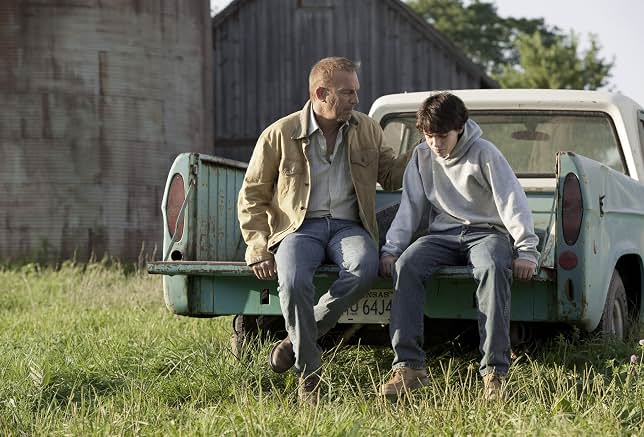
It’s worth naming what philosophical tradition this scene is drawing on, because Man of Steel draws on it more than once: Ayn Rand’s Objectivism, particularly its suspicion of altruism performed for the sake of a collective that hasn’t earned it, and its reverence for the exceptional individual who must sometimes stand apart from society rather than answer to it. Rand’s fiction is full of supremely capable people persecuted by a fearful, mediocre world that resents their excellence. Jonathan’s tornado death isn’t really about protecting Clark’s identity. It’s about teaching him that the world is not ready for him, that revealing greatness invites destruction rather than gratitude, and that the hero’s burden is fundamentally a lonely one.

This is Superman recast through a post-9/11, surveillance-anxious, “the world will fear what it doesn’t understand” lens — a Superman whose formative lesson is suspicion, not trust. It’s no accident that this Clark grows up guarded, isolated, prone to brooding silences and public destruction he can barely account for. Jonathan didn’t just die in Man of Steel. He died making a point, and Clark absorbed the point.
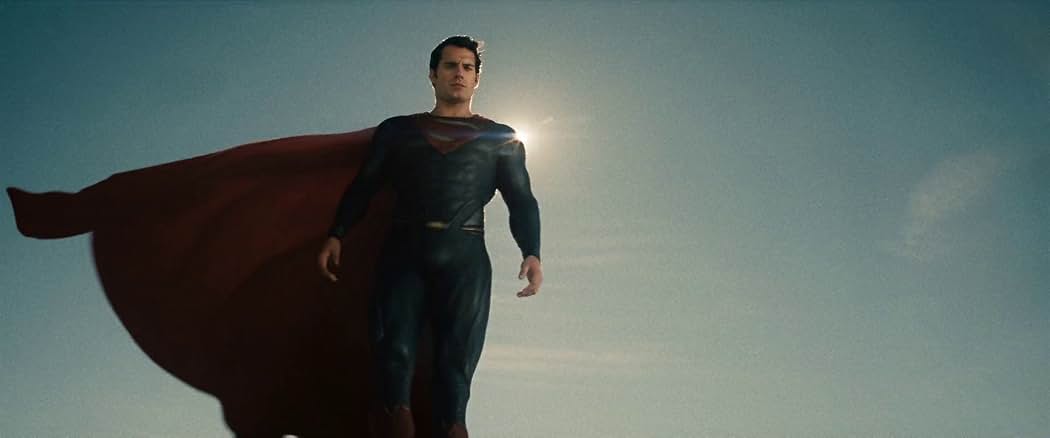
Part Three: Superman (2025) — Life as the Point
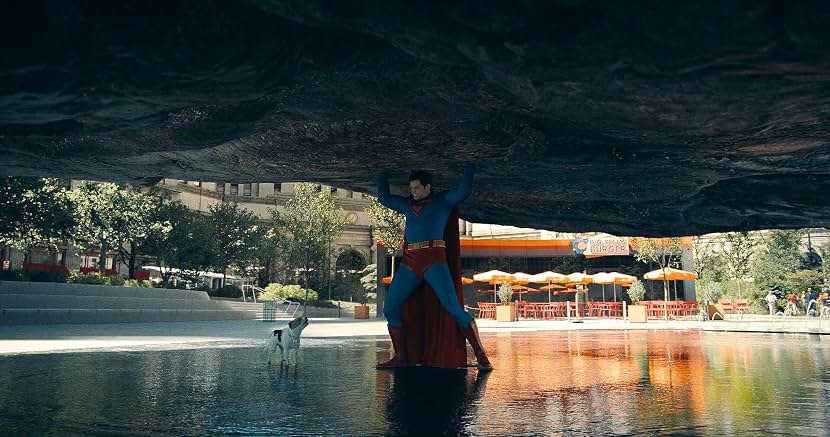
James Gunn’s Superman makes a choice so simple it’s almost radical by comparison: Jonathan Kent lives. He doesn’t die of a weak heart. He doesn’t die in a tornado, sacrificing himself to prove a thesis. He’s still there, still on the farm with Martha, still just a phone call away — and, notably, the film goes out of its way to make him and Martha a little goofy, a little ordinary, fumbling with a speakerphone chat in a way most adult children can relate to.

That choice reframes the entire relationship. Instead of a single, mythic death scene doing all the philosophical work, Gunn gives Jonathan an ongoing presence: a father who is simply there, imperfect and unglamorous, offering guidance in real time rather than leaving behind a legacy to be interpreted after the fact. The film’s emotional climax isn’t a graveside moment — it’s a front-porch conversation, where Pa Kent tells his son that it’s his choices and his actions, not his heritage, that define who he is.
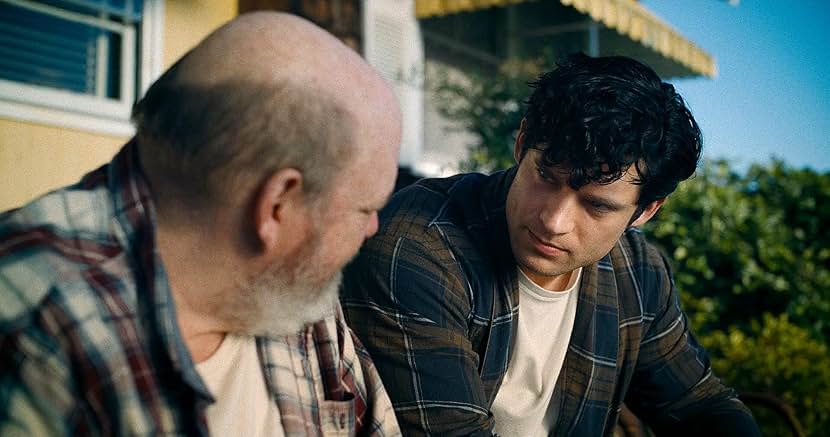
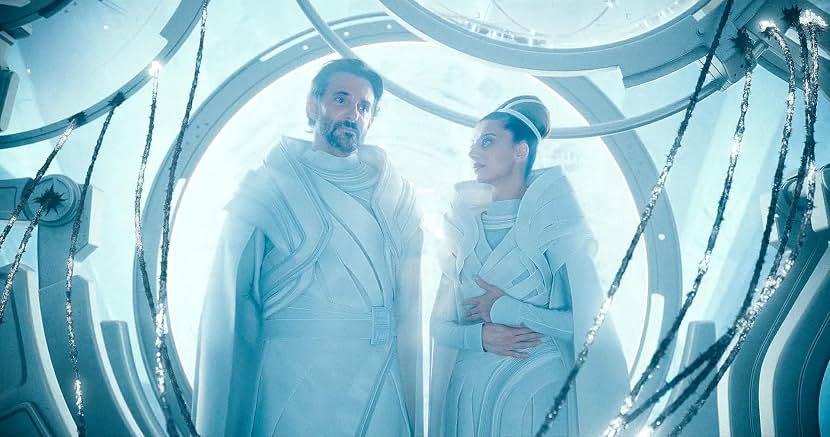
When Clark learns the truth about his Kryptonian origins — that he was sent to Earth for far darker purposes than his adoptive parents ever knew — it’s this ordinary, empathetic father, not the god-like biological one, that gives Clark something to believe.
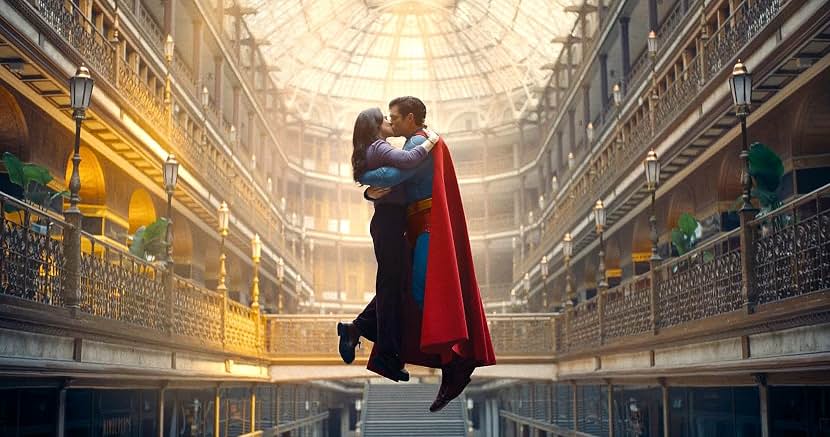
Where Man of Steel uses Jonathan to teach Clark that the world is dangerous and greatness must be hidden, Gunn uses him to teach the opposite: that decency is a practice, not a birthright, and that you learn it best by watching someone model it consistently over years, not by inheriting it through a single sacrificial death. This is a Superman whose worldview is fundamentally communitarian rather than individualist — his power isn’t a burden that isolates him, it’s a gift — and he was raised, patiently and simply, by loving people to use that gift for others.
It’s a markedly different philosophical starting point than Rand’s exceptional-individual-against-the-herd: it’s closer to the idea that character is formed through relationship and habituation, an almost Aristotelian notion that virtue is something practiced daily under the eye of people who love you, not a lonely burden discovered in isolation.
Conclusion: two Deaths, one Superdad
Line these three fathers up and you get something close to a philosophical timeline of how American film has understood power itself.
Donner’s Jonathan Kent dies to teach humility: even Superman cannot beat death, and that limitation is what makes him gentle rather than godlike.
Snyder’s Jonathan Kent dies to teach fear: the world will punish what it doesn’t understand, so greatness must be hidden and the hero must be prepared to stand alone.
Gunn’s Jonathan Kent doesn’t die at all, because the film’s whole argument is that goodness isn’t a single lesson delivered at a moment of loss — it’s a habit built over an ordinary lifetime, still being reinforced on a random Tuesday phone call.

Each one of these depictions of Superman is a mirror held up to the anxieties of its moment — Watergate-era humility, post-9/11 suspicion, and a 2025 audience hungry, apparently, for a hero who is simply, unfashionably kind. But it’s telling that of the three, only the version where the father survives ends up being the version where Superman himself seems the least alone. Maybe how a story treats its fathers tells you exactly what it believes about whether the world is worth trusting.
All images ©Warner Bros. Studios / DC Comics


Leave a Reply