
“The most terrifying fact about the universe is not that it is hostile but that it is indifferent, but if we can come to terms with this indifference, then our existence as a species can have genuine meaning. However vast the darkness, we must supply our own light.”
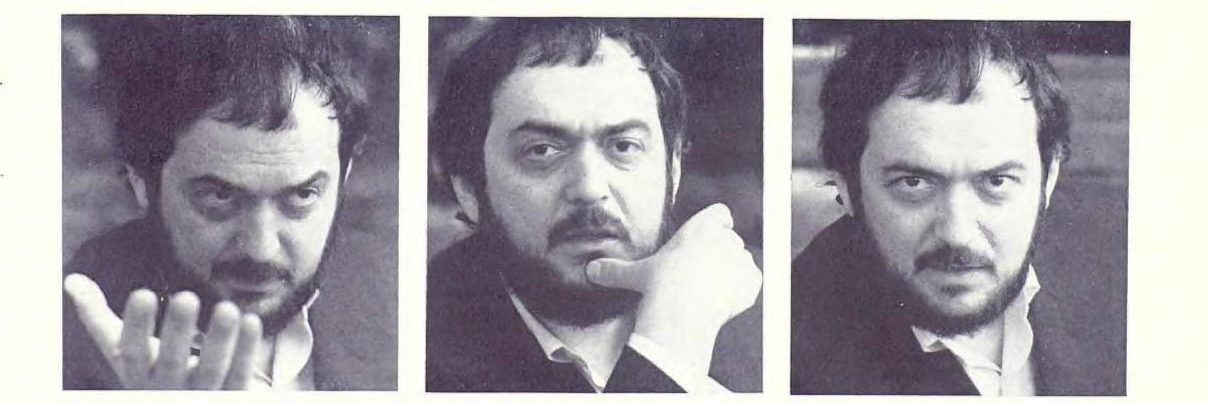
Stanley Kubrick said this in a 1968 interview for Playboy magazine, the same year 2001: A Space Odyssey premiered, and it reads less like a passing remark than a thesis statement for his entire body of work. Across four decades and more than a dozen films, Kubrick kept returning to the same cold arithmetic: the universe does not care, systems do not care, history does not care — and whatever meaning exists has to be manufactured by the people living inside that indifference.
What changes from film to film is whether his characters manage to supply their own light, or whether they mistake the void’s silence for something it can never give them: an answer.
2001: A Space Odyssey — Meaning Manufactured, Not Given

No film makes Kubrick’s point more literally than 2001. Space itself is rendered as achingly beautiful and totally unbothered — the long, silent shots of ships drifting past stars refuse to editorialize. Nothing out there wants anything.

Even the monoliths, the closest thing the film has to a guiding intelligence, offer no comfort, no dialogue, no reassurance. They simply appear, and it’s left to everyone who encounters them, from apes to astronauts to make something of the encounter.
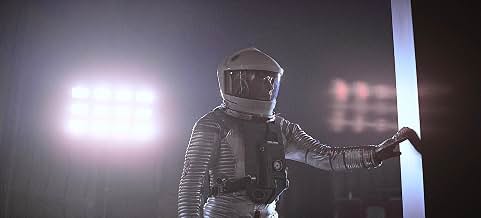
The film’s famous final stretch, as Bowman ages and is reborn as the Star Child, isn’t an answer handed down by the cosmos — it’s Kubrick insisting that transformation and meaning have to be built by the species itself, using whatever raw materials indifference leaves lying around.

A Clockwork Orange — When Institutions Try to Manufacture Meaning For You
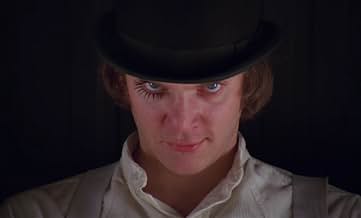
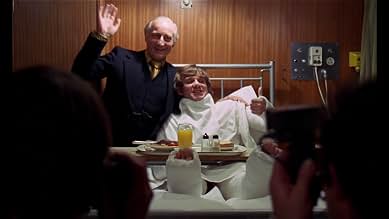
If 2001 shows a universe indifferent to humanity, A Clockwork Orange shows human institutions attempting the opposite mistake: forcing meaning onto a person from the outside, by conditioning rather than choice.
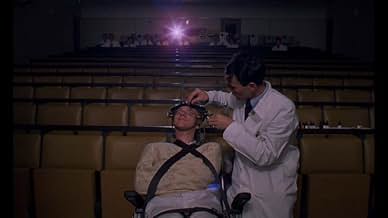
The state’s rehabilitation of Alex strips away his capacity to choose good or evil at all, which Kubrick frames as a deeper horror than Alex’s original violence. The film’s argument runs parallel to the 1968 quote: meaning that isn’t self-supplied — that’s imposed by a system claiming to know better — isn’t meaning at all. It’s just another kind of indifference wearing a lab coat.
Dr. Strangelove — Comedy as the Only Sane Response to an indifferent Universe
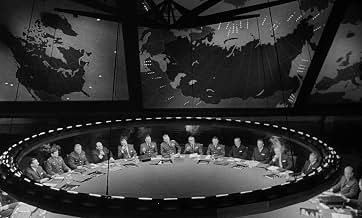
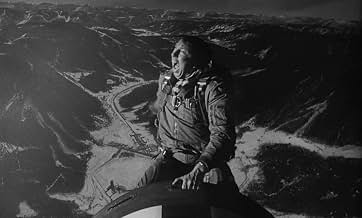
Dr. Strangelove takes indifference and turns the dial to absurdity: a chain of bureaucratic miscommunications, egos, and broken fail-safes lead inexorably toward nuclear annihilation, while no one seems able to stop it. And, in the end, the universe won’t even notice.
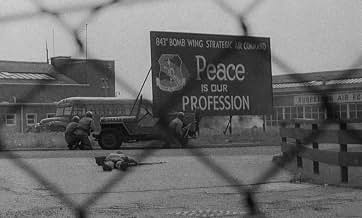
Kubrick’s response is to make it all a farce, which is its own act of supplying light — laughing at the self-made mechanism of our own extinction is, perversely, a way of refusing to be crushed by it.
Barry Lyndon — A Life Shaped Entirely by Circumstance

Barry Lyndon rises and falls through a world that never once organizes itself around his ambitions. Wars, marriages, duels, and inheritances happen to him as much as because of him, and Kubrick’s famously static, painterly compositions reinforce the sense that Barry is a small figure moving through a much larger, unmoved landscape.

The film’s tragedy isn’t that fate is cruel to Barry specifically — it’s that fate isn’t paying attention to him at all. What little agency and meaning Barry manages to claim, he has to seize for himself, briefly, before the indifferent machinery of 18th-century society rolls on without him.

The Shining — Isolation as Indifference Made Domestic

The Overlook Hotel doesn’t hate the Torrance family. That’s what makes it so unsettling. Its vast, empty corridors and repeating patterns suggest something that has simply been there for a very long time and will go on being there regardless of who passes through.
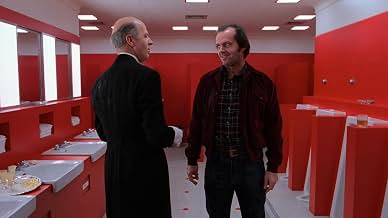
Jack’s unraveling isn’t the hotel actively hunting him so much as isolation and silence hollowing out a man who had nothing of his own to hold onto. Kubrick stages horror here as the absence of any caring presence at all — and shows what happens to someone who can’t supply his own light when the darkness is that total.

Full Metal Jacket — Meaning Under Fire
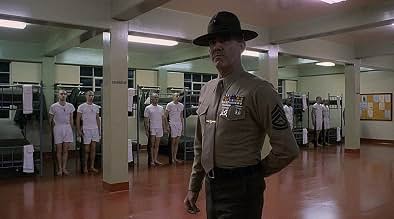
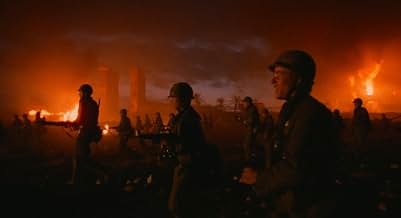
Full Metal Jacket splits neatly into two halves — dehumanizing boot camp, then the chaos of the Vietnam War itself — and both halves share the same cold structure: institutions and battlefields alike grind forward without any regard for the individuals inside them.

Private Pyle’s breakdown and the war’s random, arbitrary violence both make the same point Kubrick returns to again and again: no drill instructor’s philosophy and no military strategy actually supplies meaning. The soldiers who endure are the ones who find some sliver of identity or connection to hold onto amid a system that was never built to notice them as people, even if it is something as simple as a Disney song.
And in the End …
Kubrick builds worlds — icy space, brutalized England, war rooms, country estates, haunted hotels, boot camps — that share one property: none of them are designed to care about the humans inside them.

The drama in every case comes from what those humans do next. Some, like Bowman, manage to transform. Some, like Alex, have their capacity for meaning-making forcibly removed. Some, like Jack Torrance, are consumed by the very emptiness they couldn’t fill.
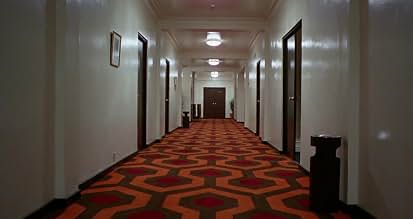
Kubrick’s films don’t offer comfort so much as a clear-eyed diagnosis: the dark is vast, it isn’t going anywhere, and whatever light exists was always going to have to come from the people standing inside it.


Leave a Reply