
“Love me, love me
Lovefool, The Cardigans
Say that you love me”
That song by The Cardigans — you know the one — was inescapable in 1996, all jangly guitar wrapped around a chorus that’s basically a person begging to be loved even if the love isn’t real, even if it’s pretend.
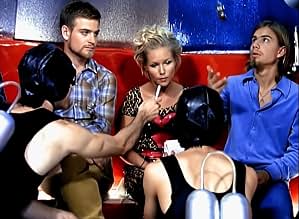
That song is an emotional blueprint for reality television. Because that’s the whole pitch, isn’t it?
Love me. Tell me you love me. I don’t care if you mean it.
Reality TV took that desperate, hollowed-out plea and turned it into a multi-billion-dollar programming strategy.
Documentary vs. reality TV: the lie in the name
Reality TV shows are not documentaries. People conflate these two things constantly, and the confusion is doing a lot of work to make reality TV feel more legitimate than it is. They are not cousins. They’re not even in the same family.
A documentary starts with a question. Something is unknown, contested, or simply unrecorded, and the filmmaker goes looking for what’s actually true — even when the truth is inconvenient, boring, or doesn’t resolve into a tidy arc. The camera is there to find something out. Editing serves clarity, not manipulation. When a documentary fails, it usually fails by being incomplete, not by being staged.
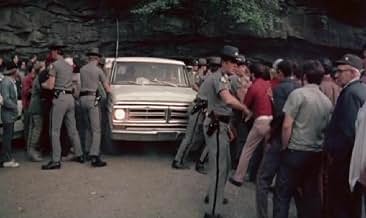
Reality TV starts with a premise, a cast selected for volatility, and a producer’s outline of where the drama needs to go. It doesn’t search for truth — it manufactures conflict using real people as raw material, then edits the footage until it resembles a story with villains, heroes, and cliffhangers. The “reality” in reality TV is a technicality: the blood is real, the tears are real, the person is a real person with a real Social Security number. But the situation, the pacing, the confrontations engineered by a producer whispering in someone’s ear before a “confessional” — that’s construction, not observation.
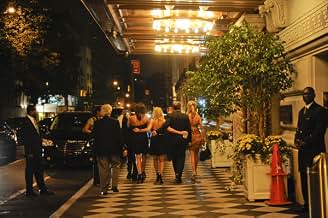
Documentary is journalism with a camera. Reality TV is theater with a waiver form.
How we got here
The modern genre has a clean origin point: The Real World premiered on MTV in 1992, and its entire pitch was right there in the opening narration — strangers picked to live in a house, have their lives taped, and find out what happens when people stop being polite and start being real. It’s worth noticing that even the founding text of the genre knew, on some level, that “real” was doing a lot of lying. The show worked because MTV cast for friction on purpose and cut the footage to build to blowups. It wasn’t a documentary about young adulthood. It was a pressure cooker with cameras bolted to the walls.
For most of the ’90s, reality TV stayed a genre, not a business model. That changed in the 2000s, and especially after the 2007–2008 Writers Guild of America strike. When the WGA walked out over residuals for digital distribution, scripted television production ground to a halt for about a hundred days. Unscripted shows don’t need a room full of union writers, so networks leaned hard into what they could still produce, and reality TV filled the gap left by dead sitcoms and paused dramas. When the strike ended, the genre didn’t retreat back to its pre-strike footprint — it had proven it could hold a network’s schedule together on a fraction of the budget, and networks noticed.
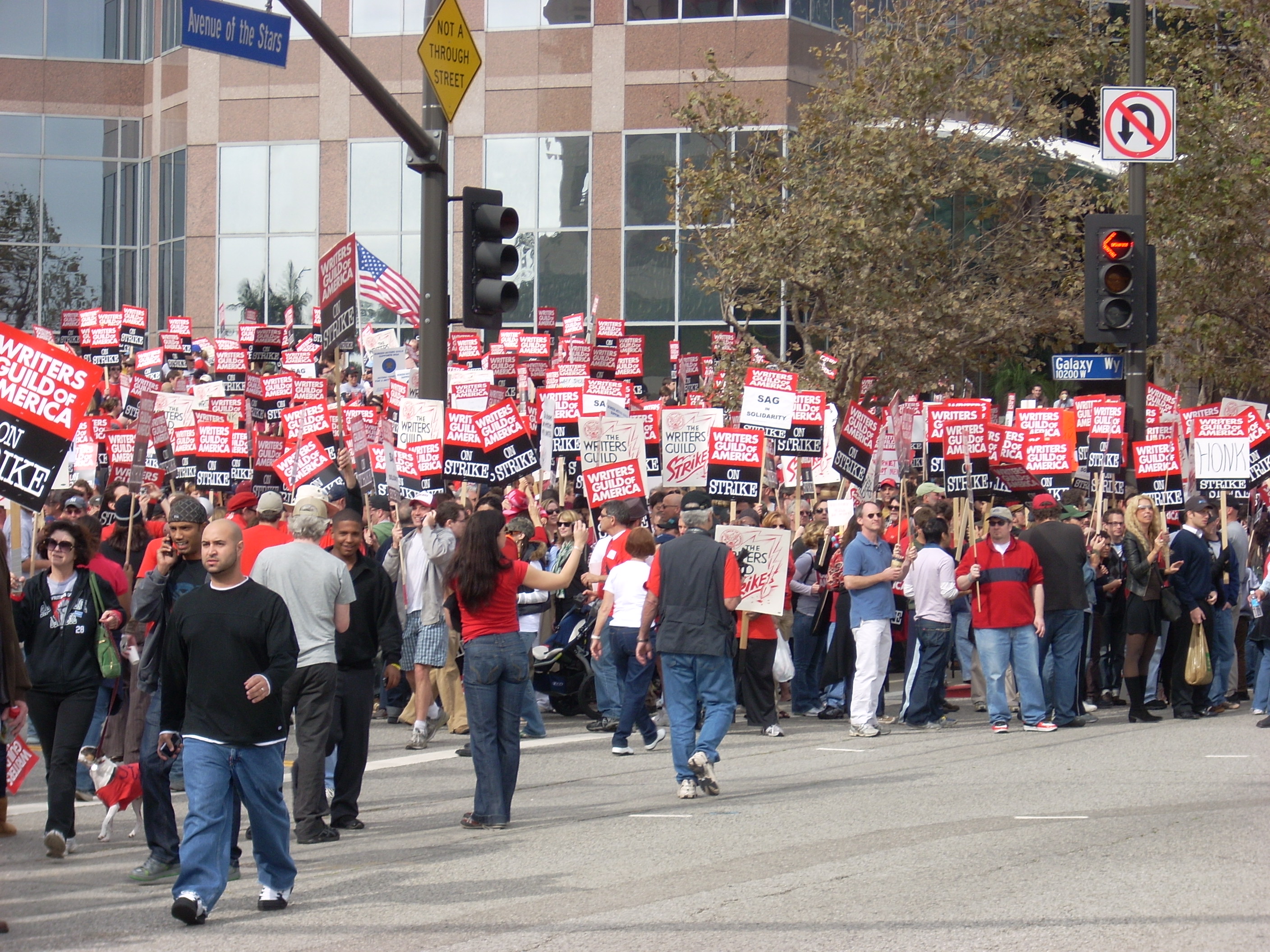
That’s when the economics took over completely. A scripted drama needs writers, a full cast under contract, sets, reshoots, and months of postproduction. A reality show needs a house, some cameras, a handful of contestants who’ll work for a fraction of a scripted actor’s rate, and an editing team that can manufacture narrative out of raw footage after the fact. The margins were obscene by comparison.

For a stretch in the late 2000s and into the 2010s, reality programming didn’t just coexist with scripted TV — it crowded it out, eating up schedule real estate that used to belong to sitcoms and dramas simply because it was so much cheaper to produce at scale.
The psychology of the people in front of the camera
Go back and actually watch the audition process for any of these shows and a pattern shows up fast: the genre doesn’t select for talent, it selects for a specific personality type — people who are certain, on some level, that they are simply more compelling than everyone around them, and that an audience given enough exposure to them will inevitably fall in love. That’s not incidental to reality TV. It’s the casting criteria.
That certainty is what makes people do the things reality TV is famous for — humiliate a friend on camera, betray an alliance, torch a relationship, say the cruelest possible version of a thought out loud — because the underlying belief is that none of it will actually cost them anything. The audience will understand. The audience will take their side. The audience, ultimately, will love them regardless, because why wouldn’t they? It’s the same desperate logic as that Cardigans song, just inverted: instead of begging to be loved, these are people who’ve convinced themselves love is already guaranteed, so there’s no downside to burning everything down on the way to getting it.
And the audience’s role in this isn’t innocent bystanding — it’s the actual product being sold. What keeps people watching isn’t affection for the cast, it’s schadenfreude: the specific, guilty pleasure of watching someone flaunt an ego, wreck a friendship, or humiliate themselves in real time, from the safety of a couch where none of it touches you. But underneath the judgment is usually something less flattering — a flicker of I wish I could do that. Say the cutting thing. Blow up the friendship that’s not working. Chase the fame, the money, the attention, with zero regard for who gets hurt on the way there.
Reality TV lets viewers rehearse that fantasy vicariously, enjoying the id-driven chaos of people acting purely on impulse and self-interest, precisely because the viewer gets all the vicarious thrill with none of the actual consequences.
The part that didn’t stay on TV
Here’s the part that matters more than any single show: reality TV didn’t stay contained in a television schedule. It trained an entire generation on its core assumption — that an audience exists, that the audience is watching, and that the audience will love you unconditionally if you just perform hard enough — and then social media handed that exact template to everyone with a phone.
Scroll through any platform now and you’re looking at the Real World confessional format, just decentralized and running twenty-four hours a day. Nobody’s editing anyone else’s footage; everyone’s doing their own producing, casting themselves as the protagonist, curating the version of their life engineered to generate a reaction. The unspoken premise is identical to reality TV’s founding lie: post the outfit, the opinion, the vacation, the breakup, the callout, and assume the audience will simply agree, simply approve, simply love it — because why wouldn’t they?

Engagement replaced ratings, but the psychology is the same casting call reality TV ran for thirty years: perform confidence, chase reaction, treat the presentation as the point rather than any actual exchange with another person.
That’s the real inheritance. Reality TV didn’t just give us a genre of bad television — it gave millions of people a working model for how to relate to an audience instead of a person, and that model is now the operating system for half the internet.
The show never ended. It just stopped needing a network.



Leave a Reply