
There’s a version of this conversation that goes nowhere, because it starts with the wrong question. The wrong question is: “Is George Lucas racist?”
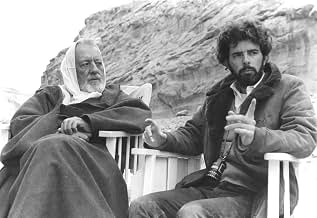
The record doesn’t support that. He’s spent decades arguing that the entire point of Star Wars is that beings of every shape, color, and species deserve dignity — “most of the people are aliens,” he’s said, as if that settles it.
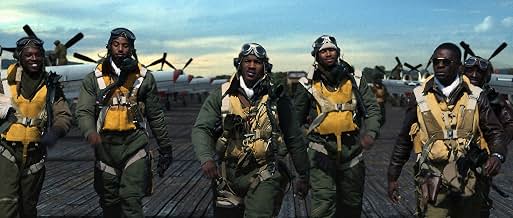
He produced Red Tails, a passion project decades in the making about the Tuskegee Airmen, at real financial risk to himself when studios wouldn’t touch it. None of that reads like a man with something to hide.
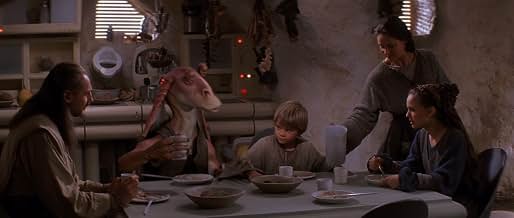
And yet Star Wars: Episode I – The Phantom Menace is, by any reasonable read, a film full of racist caricatures. Both things are true at once, and the gap between them is more interesting than a simple accusation of bigotry would be.
The film isn’t racist because its author is secretly prejudiced. It’s racist because it inherited its DNA from source material that absolutely was.
The Jar Jar Problem
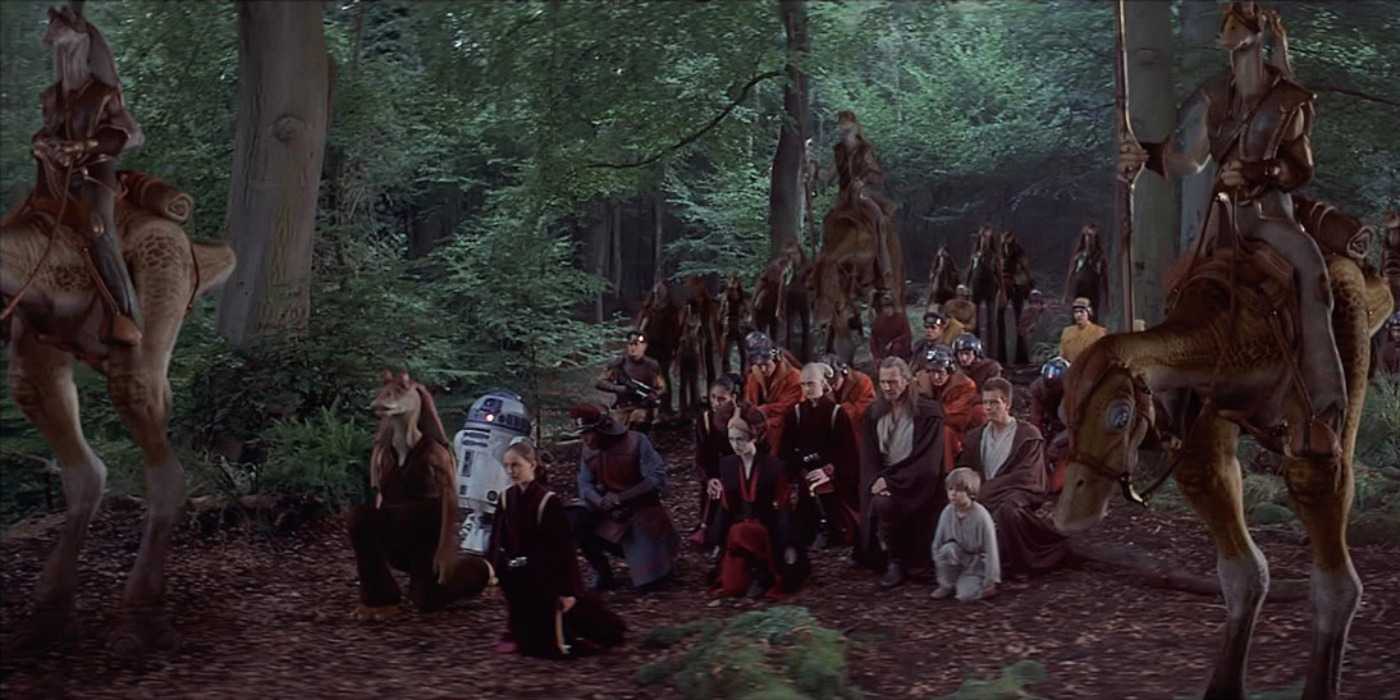
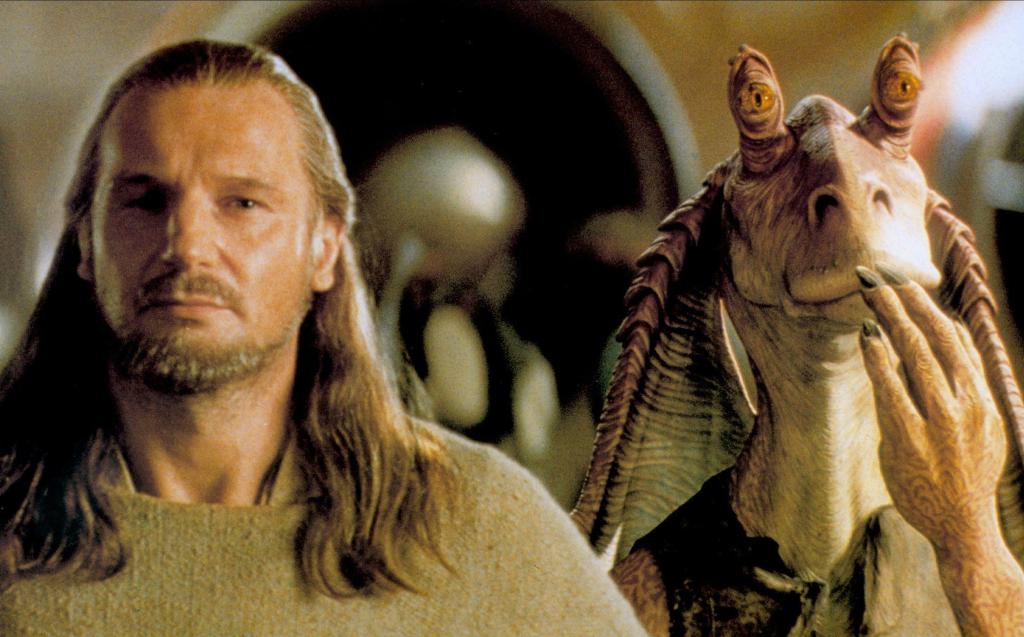
Start with the obvious one. When Jar Jar Binks stumbled onto screens in 1999, the backlash was immediate and it wasn’t subtle: critics and audiences heard a voice, a cadence, and a set of mannerisms that landed as a broad caricature of Black or Jamaican speech patterns, wrapped around a character whose entire narrative function was to be clumsy comic relief.
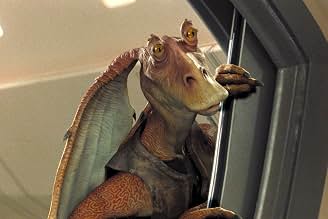
Lucas denied any such intent, insisting Jar Jar was built purely to entertain kids. Maybe so. But intent is not the same as effect, and the effect was a coded minstrel performance dropped into a $115 million tentpole.
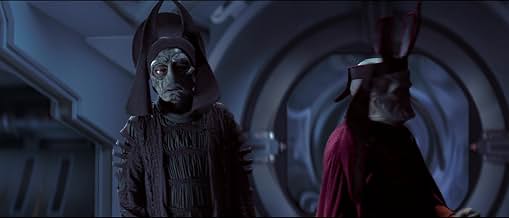
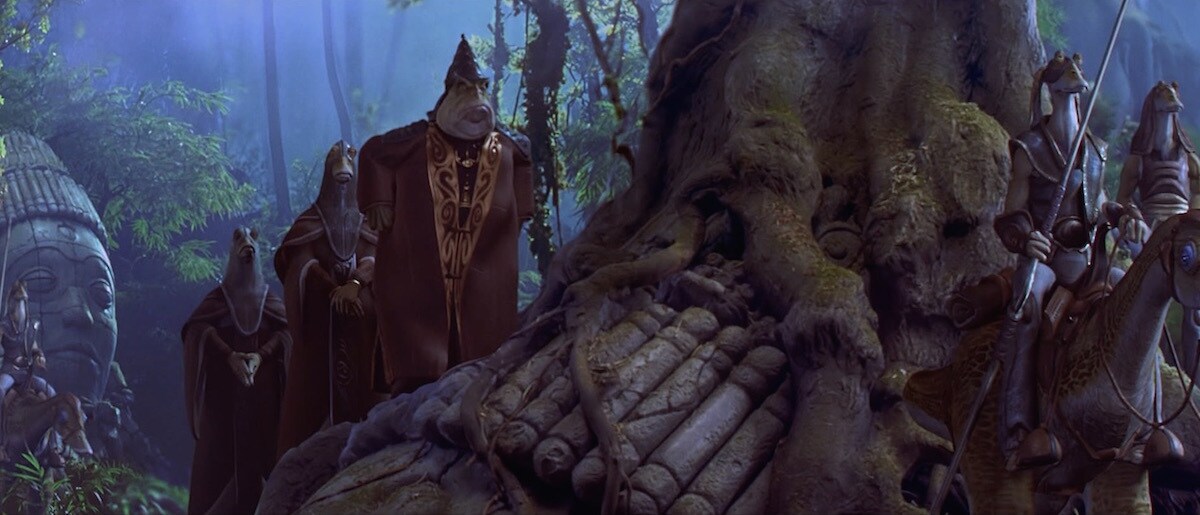
Jar Jar wasn’t alone. The Trade Federation’s leaders speak in an accent and cadence that plenty of viewers immediately recognized as a stereotyped impression of East Asian speech.
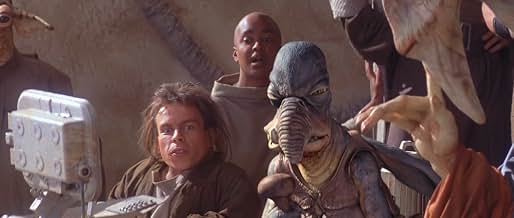
Watto, the fast-talking Tatooine junk dealer with the hooked nose and the mercantile obsession with money, tracks uncomfortably close to century-old anti-Semitic caricatures of Jewish merchants.
Lucas and his collaborators have always maintained these resemblances were unintentional. I honestly believe them. I also don’t think unintentional is the exculpatory word people want it to be.
A Choice the Original Trilogy Didn’t Make
There’s a structural decision buried in here that made the problem worse, and it’s easy to miss because it looks like a technical detail rather than a storytelling one.
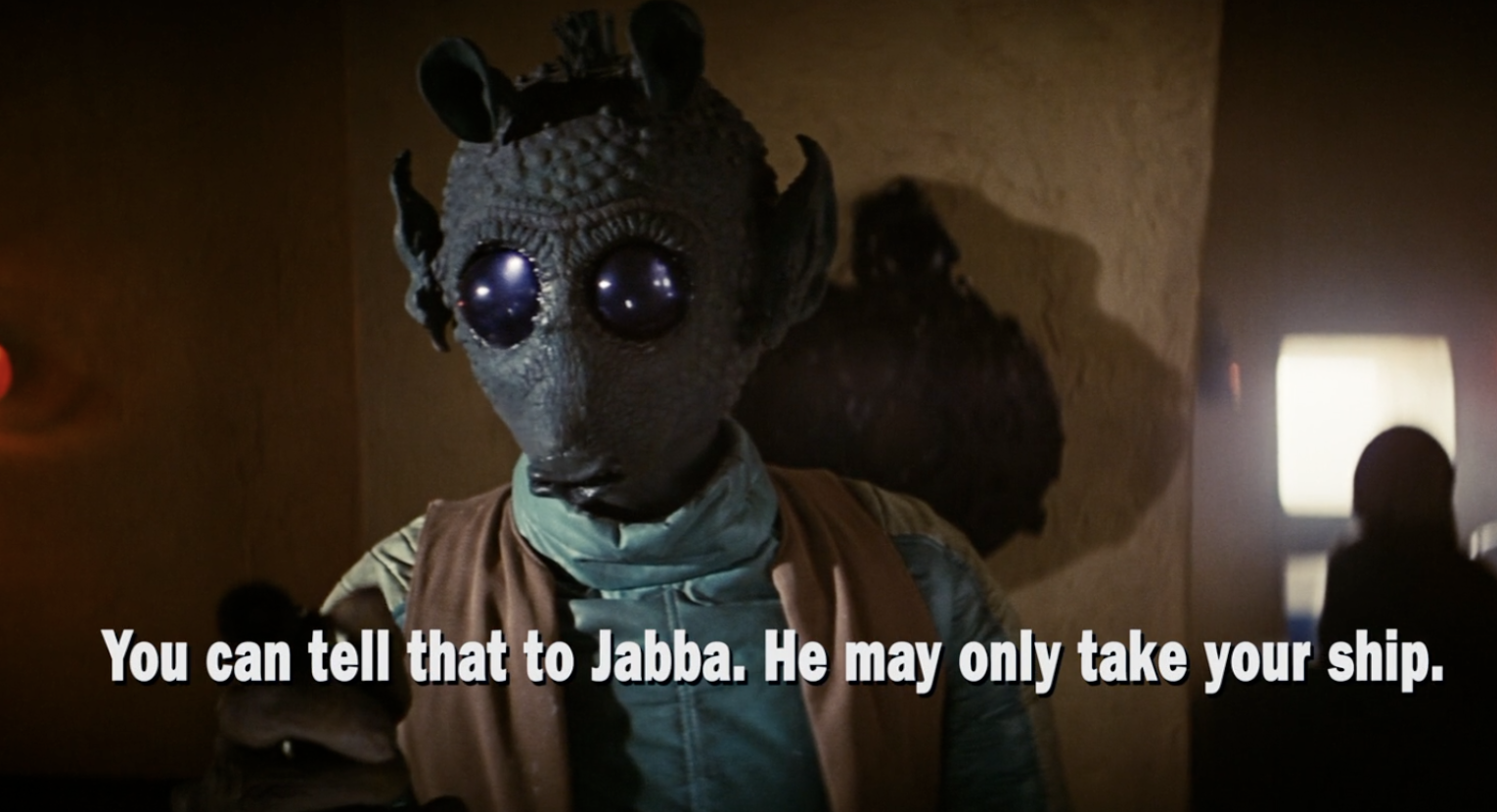
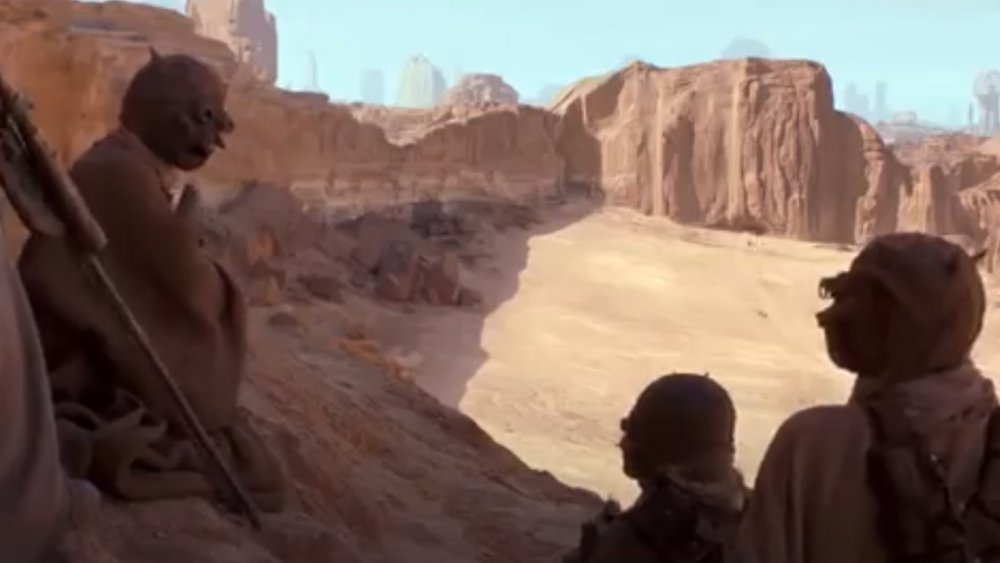
In the original trilogy, non-human characters mostly spoke alien languages. Chewbacca roars. Greedo hisses in Huttese. The Jawas chitter in their own tongue.
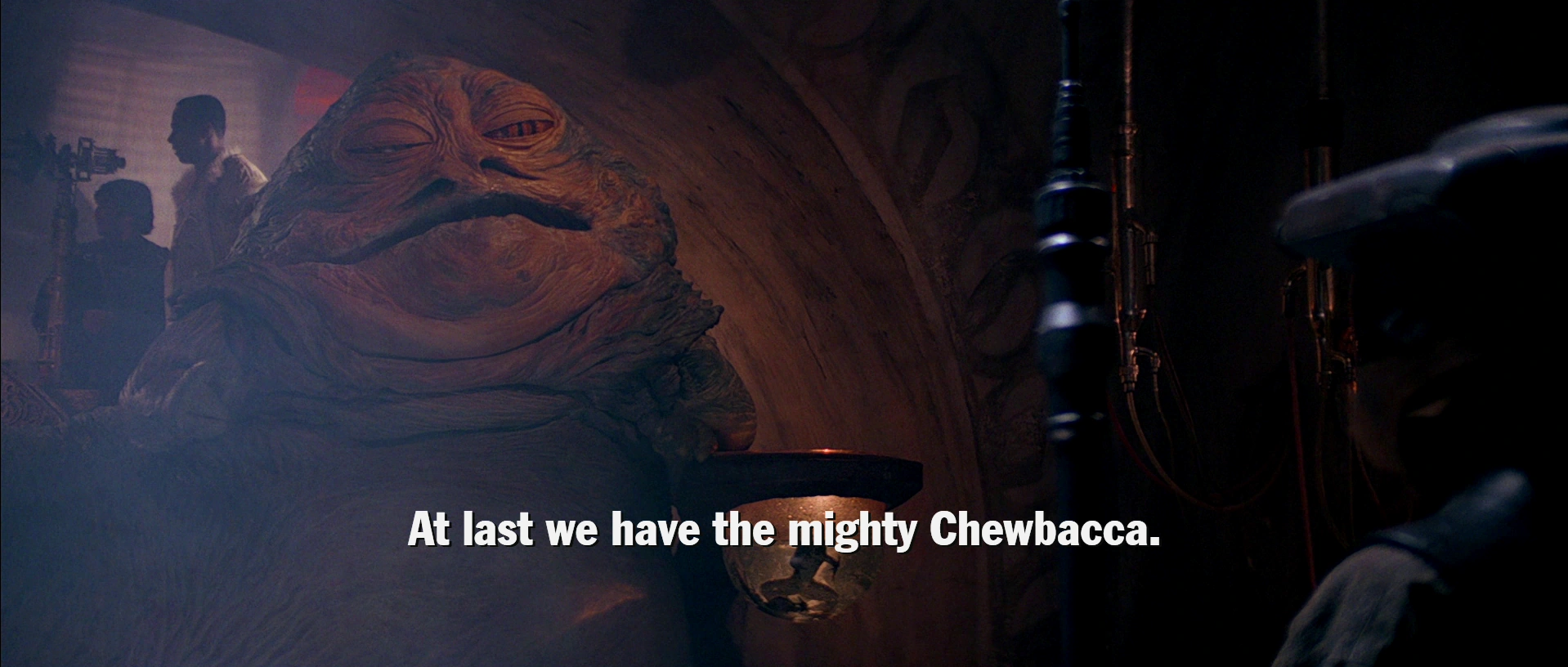
When these characters needed to communicate something plot-relevant, Lucas subtitled them or let a human translate. The effect is that their “otherness” stays abstract — we register them as genuinely alien, not as a version of a human ethnic group filtered through a funny voice.
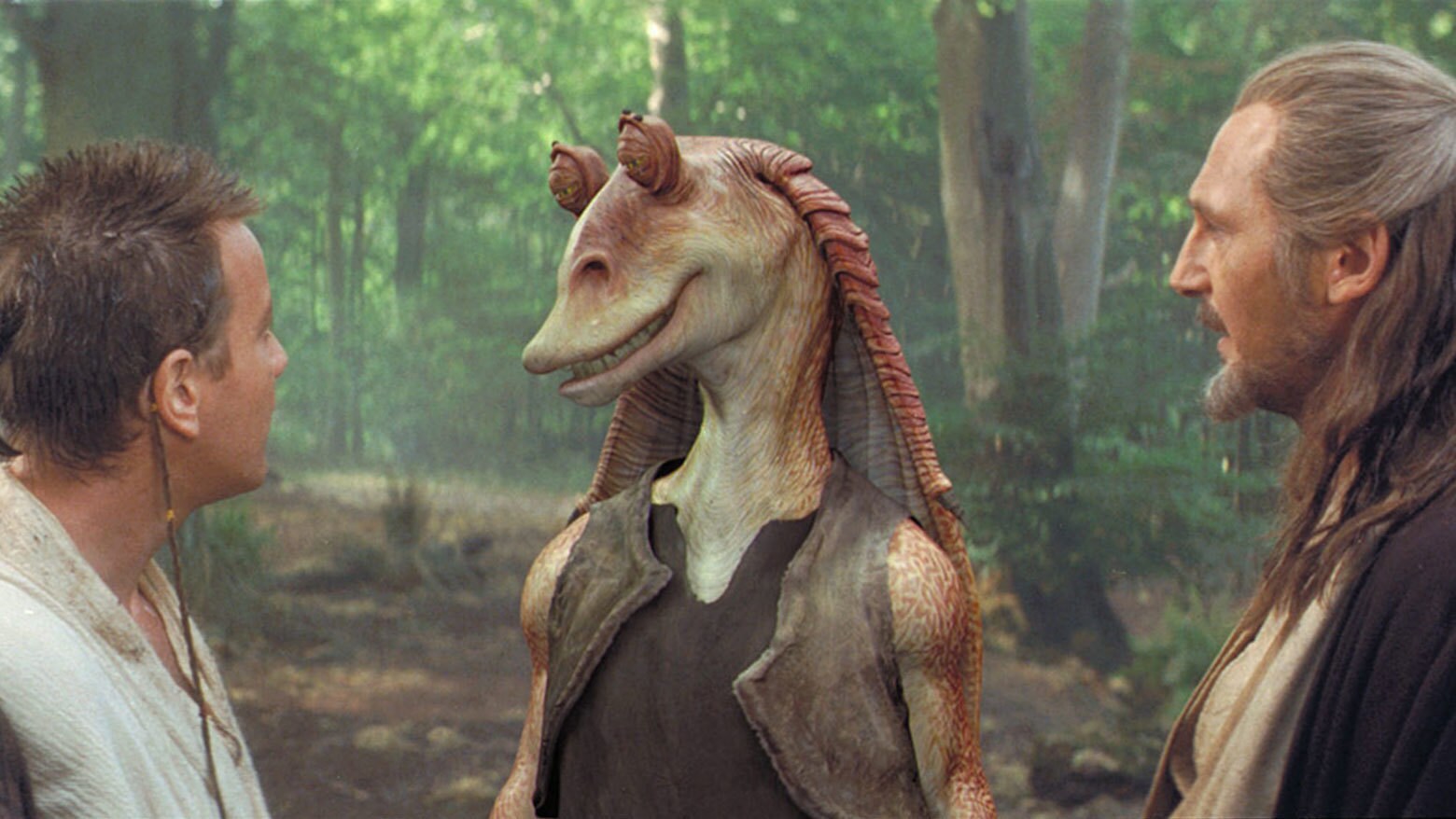
The prequels throw that convention away almost entirely. Jar Jar doesn’t speak Gungan and get subtitled; he speaks English, in a patois that lands as a specific, real-world accent.
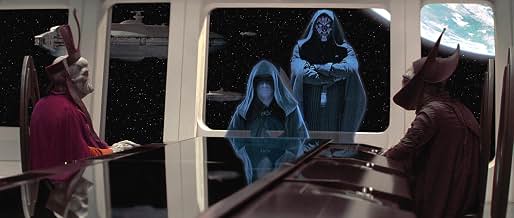
The Trade Federation’s Neimoidians don’t speak an alien language either; they speak English inflected with what plays as an East Asian accent.
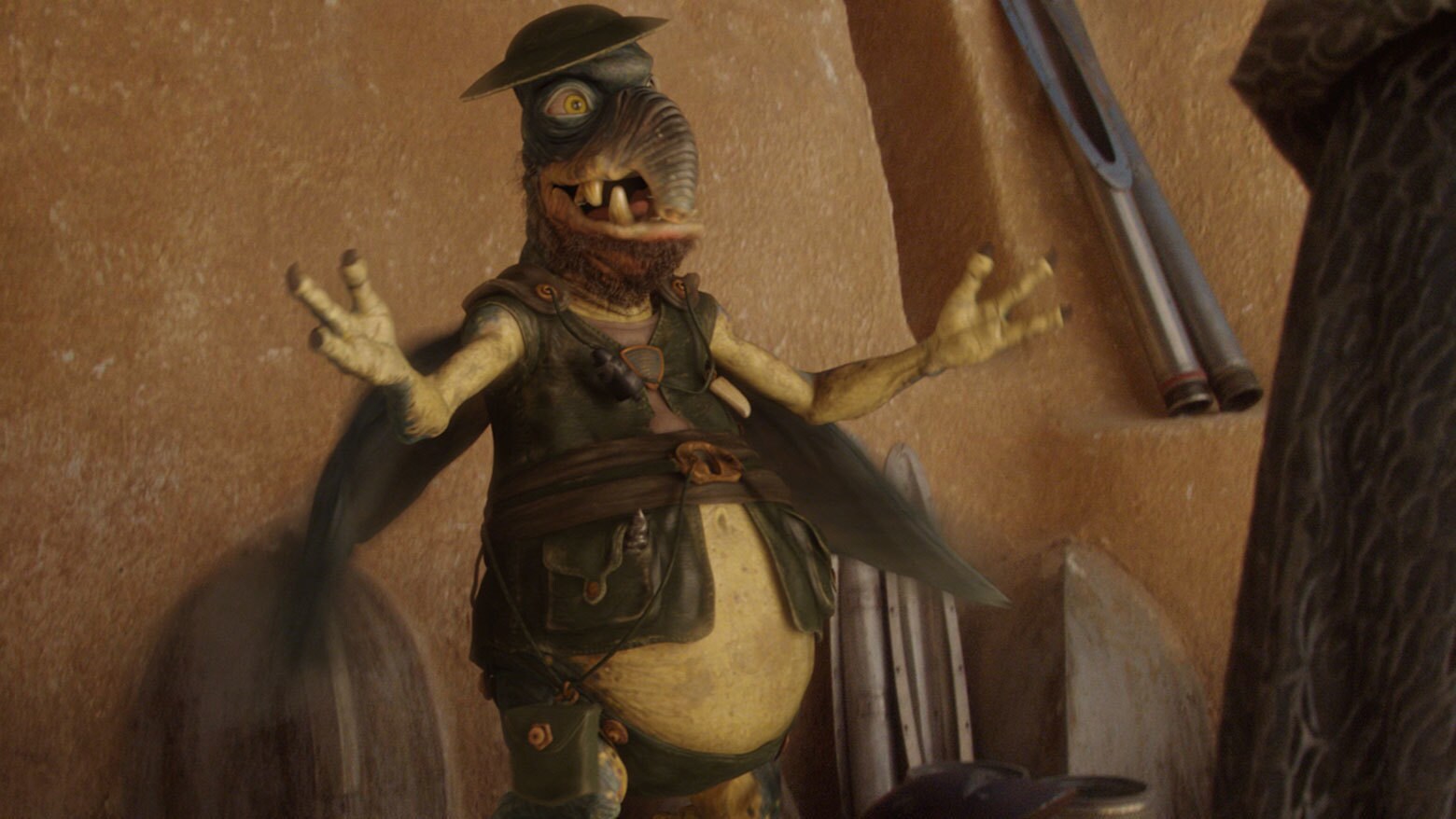
The moment Lucas swapped subtitled alien languages for accented English, he collapsed the distance that had kept the original trilogy’s aliens abstract. An alien roaring in Huttese is just an alien. An alien speaking broken English in a voice coded as Black, or Jamaican, or East Asian, is doing an impression — and once a character is doing an impression of a real ethnic group, every clumsy or comic or villainous thing that character does reads as commentary on that group, whether Lucas meant it that way or not. It’s the difference between a costume and a caricature.
Where the Caricatures Actually Came From
Here’s the thing that makes Phantom Menace worth picking apart rather than just condemning: Lucas didn’t invent these archetypes. He borrowed them, wholesale, from a genre he loved as a kid — the Saturday matinee serials of the 1930s and ’40s, Flash Gordon and Buck Rogers chief among them. Star Wars is soaked in that DNA.
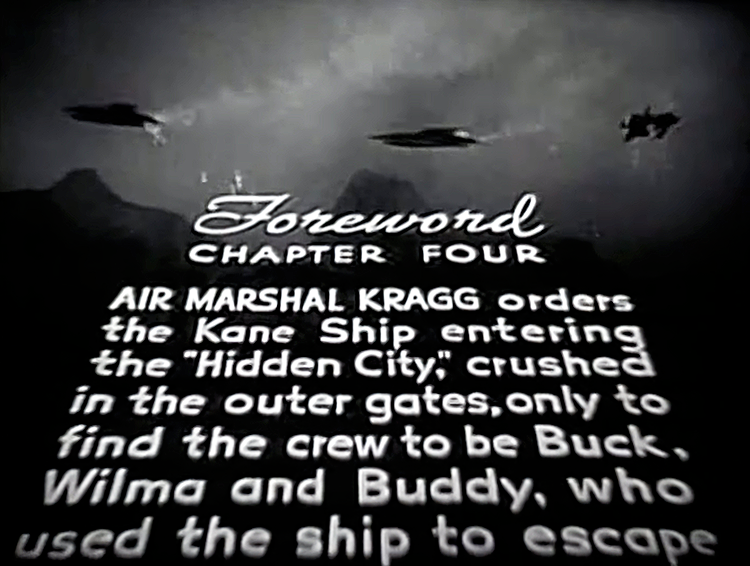
The opening crawl is a direct lift of the old serials’ scene-setting text. The “Episode” numbering mimics the chapter-play structure.
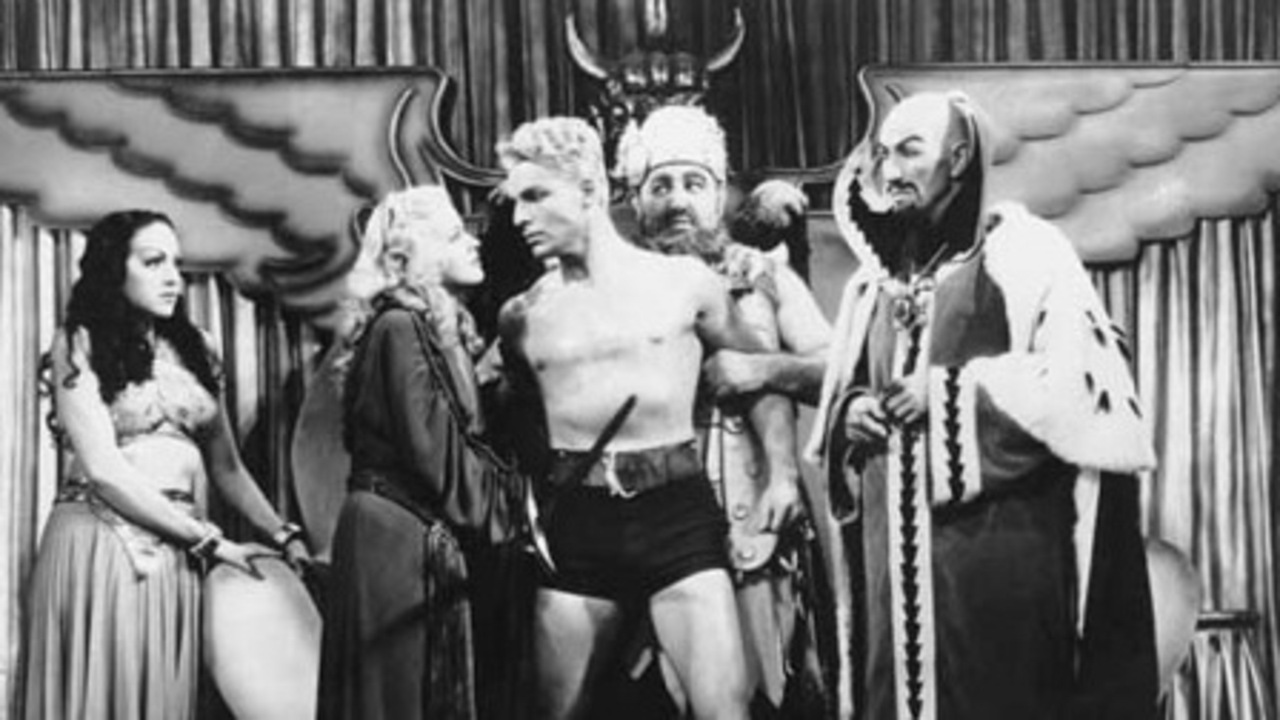
Luke and Leia are the pulp hero and the royal love interest straight out of the Flash Gordon playbook; Palpatine is a lineal descendant of Ming the Merciless; the fortress-infiltration plots, the laser shootouts, the wide-eyed sense of pulpy wonder — it’s all lifted from the same well Lucas drew on for the original trilogy too.
But that well was poisoned at the source. Those old serials were written, directed, and acted almost exclusively by white creators, and they leaned constantly on racist shorthand because that shorthand was the era’s storytelling currency: East Asian characters as either sinister villains or bumbling servants, played by white actors in yellowface; Black characters reduced to blackface tropes of buffoonery or menace; Indigenous peoples flattened into savage obstacles; Middle Eastern characters coded as treacherous and exotic; Latino characters as bandits.
None of these were incidental. They were the mechanism by which early- and mid-century pulp media normalized prejudice for mass audiences — repeat a caricature often enough in family entertainment and it stops looking like an argument and starts looking like common sense.
When Lucas reached back into that toy box for Phantom Menace, he wasn’t reaching for the politics. He was reaching for the feeling — the pulpy, breathless, serialized adventure he loved as a kid in the 1950s. But the feeling and the politics were built by the same hands, out of the same material, and you don’t always get to take one without the other.
Jar Jar’s minstrel cadence, the Trade Federation’s yellowface-inflected accents, Watto’s anti-Semitic silhouette — these aren’t Lucas inventing new prejudice. They’re Lucas unconsciously reproducing the encoded prejudice of his own formative influences, forty years removed from the source and stripped of the awareness that would have flagged it as a problem.
That’s the useful distinction. A racist film isn’t necessarily made by a racist filmmaker. Sometimes it’s made by an admiring one, working in a genre whose tropes were never actually cleaned up — just carried forward, unexamined, until they land in front of an audience that’s ready to notice.
Inheriting More Than the Story
Unfortunately, it wasn’t only Lucas who absorbed the old serials’ DNA. It was the audience too, and this is the part of the story that doesn’t stay safely contained in 1999.
Star Wars fandom didn’t just inherit the plot architecture of Flash Gordon and Buck Rogers — the crawl, the episodic structure, the pulp archetypes of hero and villain. Watching and re-watching the saga for generations, fans also absorbed something harder to name: an attitude, a baseline sense of who belongs at the center of this kind of adventure story and who belongs at the margins. That attitude was baked into the serials from the start, and Star Wars — for all its idealism about acceptance — never fully scrubbed it out. It got passed down quietly, the same way Jar Jar’s cadence and Watto’s silhouette got passed down: not as a stated belief anyone signed up for, but as a default setting nobody examined.
Decades after Phantom Menace, when Lucasfilm — now under Disney — actually tried to correct course by casting actors of color in real, central roles, the backlash aimed at them wasn’t about fictional caricatures. It was real, targeted racism, from real people, at real actors.
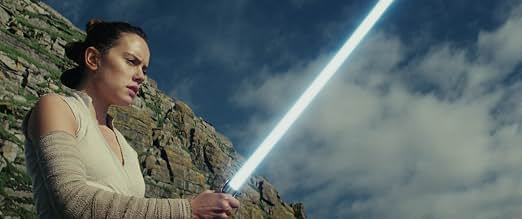
A real hero was supposed to look a certain way, to a certain loud slice of the fandom, and the moment the franchise cast someone who didn’t fit that unexamined template, the reaction wasn’t measured disagreement about writing or pacing. It was the same old hierarchy reasserting itself — the inherited attitude finally finding a real, present-day target instead of a fictional alien stand-in.
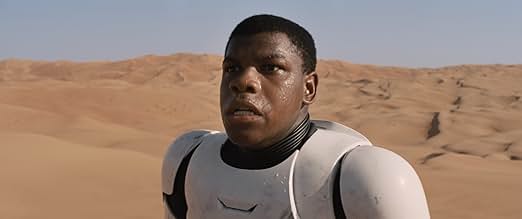
John Boyega faced racist abuse from the moment he was cast as a Black stormtrooper in The Force Awakens, and later publicly criticized Lucasfilm for building marketing around him only to sideline his character’s arc.
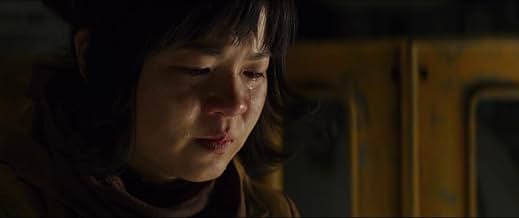
Kelly Marie Tran, the first woman of color to lead a Star Wars film as Rose Tico in The Last Jedi, was harassed off social media entirely.
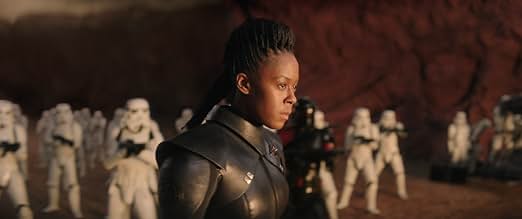
Moses Ingram received death threats before Obi-Wan Kenobi had even premiered.
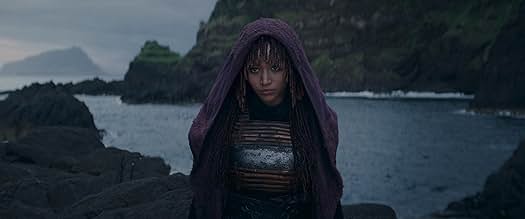
Amandla Stenberg absorbed waves of racist vitriol simply for leading a diverse cast in The Acolyte.
Lucasfilm and Disney have repeatedly had to step in and publicly defend their own actors — though there’s legitimate, ongoing debate about whether that defense has ever been forceful or fast enough.
Put those two facts side by side and you get a genuinely unsettling truth.
The Phantom Menace encoded racial caricature into its fiction, unintentionally, by inheriting it from pulp serials nobody had bothered to interrogate, then made that caricature harder to miss by giving those aliens accented English instead of subtitled alien speech. Twenty years later, the franchise’s attempt to undo that legacy — to put actual performers of color and women at the center of the story — triggered intentional, direct racism and sexism from a segment of the audience that had absorbed more from the old serials than anyone realized. The caricature was fictional and accidental. The backlash against real diversity was neither.
So, Was Lucas Racist?
Hell, no. Nothing in the record supports that, and the evidence of his own stated intentions — clumsy as some of his execution turned out to be — points the other way, trying to be a story about the evils of imperialism, nationalism, and systemic greed, and about how democracy and freedom can be lost in the blink of an eye.
But The Phantom Menace absorbed the racial shorthand of the pulp adventure genre it was built to resurrect, gave that shorthand a human voice instead of an alien one, and passed the whole inheritance down to a fandom that internalized more than it ever consciously agreed to. A film — and a franchise — can carry prejudice its maker never intended, and would likely be horrified to have pointed out to them.
That doesn’t make the caricature, or its consequences, any less real. It just makes the story of how it got there more complicated — and, honestly, more worth telling — than a simple accusation ever could.


Leave a Reply